Imagine standing in a crowded marketplace. Every product blends into one colorful blur, except one.
Its colors are vivid, its design is sleek, and its message resonates with you. This product has a strong brand and identity. Now, think about your business. How often do people notice it in the crowded marketplace of industries and ideas?
Branding and identity are not just buzzwords; they are the heartbeat of your business. They shape the way people see you, remember you, and ultimately choose you. With the right branding, you can transform your business into that one product everyone notices. So, why should you care about branding and identity? Because they are crucial to making your business memorable, credible, and successful. Let’s delve deeper into why investing in your brand is not just an option, but a necessity.
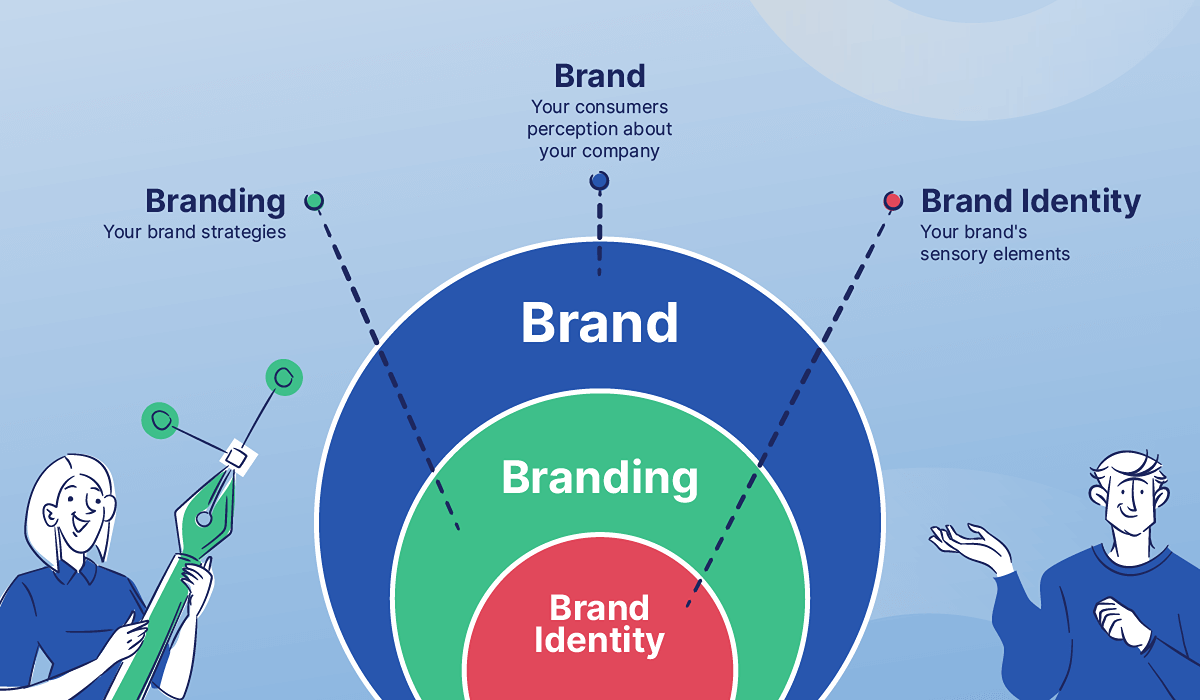
Credit: 24slides.com
Branding Basics
Understanding branding basics is crucial for any business. It helps create a unique image and builds trust with customers. Branding is more than just a logo or color scheme. It’s an essential part of your business strategy. A strong brand identity can set you apart from competitors. It reflects your values and mission. Let’s dive into the basics of branding.
What Is Branding?
Branding is how you define your business to the world. It’s the perception customers have about your products. It involves creating a distinct image and voice. This image represents your business’s core values. Effective branding helps in building customer loyalty. It makes your business memorable and recognizable.
Core Elements Of Branding
Several elements form the core of branding. The first is the brand’s name. A memorable name can capture attention easily. Next is the logo. A well-designed logo symbolizes your brand’s identity. Colors and typography also play a significant role. They convey your brand’s personality and tone.
Your brand voice is equally important. It includes the language and tone used in communications. Consistency in messaging helps in building trust. Lastly, customer experience defines your brand. Positive interactions lead to strong brand loyalty.

Credit: proofbranding.com
Identity In Business
Identity in business is crucial for success. It shapes how a company is perceived. It influences customer trust and loyalty. A strong identity sets a business apart. It communicates values and mission clearly. Without a defined identity, businesses struggle to connect with their audience. This section explores how identity impacts business. It explains the difference between identity and brand.
Defining Business Identity
Business identity includes name, logo, and design. It reflects company values and goals. It shows what the business stands for. Identity is not just visual elements. It involves company culture and ethics too. Employees should embody the identity. It should resonate with customers’ beliefs. A clear identity attracts the right audience. It builds trust and credibility. Businesses must define their identity carefully.
Identity Vs. Brand
Identity is the core of a business. Brand is how people perceive it. Identity is what a company is. Brand is what people think it is. Identity is internal and controllable. Brand is external and subjective. Strong identity leads to a strong brand. Consistent identity boosts brand value. Identity influences brand perception. Businesses must align identity and brand. This ensures coherent communication.
Benefits Of Strong Branding
Strong branding enhances recognition and builds trust. It creates a memorable identity, making businesses stand out. Consistent branding conveys professionalism, attracting loyal customers who value reliability.
In today’s fast-paced market, strong branding is crucial. It shapes how customers view your business. A well-defined brand enhances recognition and loyalty. It helps you stand out from competitors. Discover the benefits of strong branding in detail below.Customer Recognition
Strong branding makes your business recognizable. A unique logo and colors create instant identification. Customers remember and trust brands they recognize. Consistent branding builds familiarity. It leads to a positive connection with your audience. This recognition improves your visibility in the crowded market.Competitive Edge
Branding sets you apart from competitors. It highlights your unique selling points. A strong brand communicates your values clearly. It helps customers understand why they should choose you. It positions your business as a leader in your industry. A distinct brand gives you an advantage over others.Brand Loyalty
A strong brand fosters loyalty among customers. Consistent experiences build trust and reliability. Loyal customers return and recommend your brand. They become advocates for your business. Brand loyalty increases customer retention. It contributes to long-term success and growth.
Credit: outreachmonks.com
Creating A Unique Brand Identity
Creating a unique brand identity sets your business apart. It is more than a logo or a catchy tagline. It represents your company’s values, mission, and what you promise to customers. A strong brand identity builds trust and loyalty over time. It helps customers remember and choose you over others. Let’s explore the key elements of crafting a unique brand identity.
Crafting A Brand Story
Your brand story is the heart of your identity. It tells who you are and why you exist. Share the journey of your business. Highlight the challenges you overcame. Explain how your products or services make a difference. A compelling story connects with your audience emotionally. It encourages them to become a part of your journey.
Visual Identity Components
Visual elements make your brand recognizable. This includes your logo, color palette, and typography. Choose colors that reflect your brand personality. Use fonts that are easy to read and align with your brand’s voice. Consistent visuals across all platforms create a memorable brand image. They leave a lasting impression on your audience.
Voice And Tone
Your brand voice is how you communicate with your audience. It should reflect your brand’s personality. Whether formal or casual, it must be consistent. Your tone can change based on the context or platform. Ensure it aligns with your core values. A clear voice and tone build trust and foster relationships with your customers.
Impact On Customer Perception
Have you ever wondered why some brands instantly capture your attention and make you feel a certain way? The impact of branding and identity on customer perception is profound. It’s not just about logos and colors; it’s how these elements shape your views and feelings about a company. When done right, branding can turn casual browsers into loyal customers. Let’s delve into how different aspects of branding influence customer perception.
Building Trust
Trust is the foundation of any successful relationship, and the same applies to brands. Consistent branding conveys reliability and stability. Think about your favorite brands – you probably trust them because they deliver on their promises. A well-crafted brand identity can reassure customers that your products or services are dependable.
Consider the last time you chose a product because of its brand. Did the familiarity make you feel secure in your choice? A strong brand identity sets expectations and meets them, fostering trust and loyalty.
Emotional Connection
Branding goes beyond just business; it taps into emotions. When a brand resonates with you emotionally, you’re more likely to choose it over others. Have you ever felt a pang of nostalgia or excitement when encountering a brand? That’s the power of emotional connection.
Brands that evoke emotions can create lasting relationships with customers. Whether it’s through storytelling, values, or experiences, establishing an emotional bond can turn customers into advocates.
Perception Of Quality
Branding significantly influences how customers perceive the quality of your products or services. A strong brand identity can elevate your offerings, making them seem more premium and desirable. Reflect on the last time you paid more for a branded item because you believed it was superior.
Investing in a cohesive brand image can enhance perceived quality. Customers often equate a polished brand with high standards and excellence. Does your brand communicate the quality you wish to portray?
In the end, remember that branding is not just about aesthetics; it’s about creating meaningful experiences and perceptions. How does your brand stand out and shape customer perception? Embrace the power of branding and identity to build trust, forge emotional connections, and elevate perceived quality. Each interaction is an opportunity to leave a lasting impression.
Brand Consistency
Brand Consistency: The Glue That Holds Your Identity Together
Brand consistency is crucial for establishing trust and credibility. It ensures your audience recognizes and remembers your brand across all platforms. Think of it as the thread that ties all your brand elements together, creating a cohesive identity.
Maintaining Cohesion Across Platforms
Imagine visiting a favorite restaurant where the menu changes every time you go. Confusing, right? Your brand should be as predictable as your favorite dish. Consistency across platforms means your website, social media, and marketing materials all speak the same language.
Use the same logo, colors, and tone of voice everywhere. This helps your audience feel familiar with your brand, like they’re visiting an old friend. Have you ever followed a brand that looks completely different on Instagram compared to its website? It’s jarring and can make you question its reliability.
To maintain cohesion, audit your platforms regularly. Check if your brand message aligns across each channel. You might find areas that need tweaking. Small adjustments can make a big difference in how your audience perceives you.
Role Of Guidelines
Brand guidelines are your roadmap to consistency. They outline how your brand should look and sound. Have you ever worked with a team where everyone has their own idea of what the brand is? It leads to chaos and mixed messages.
Creating clear guidelines ensures everyone is on the same page. Include specifics on fonts, color palettes, logo usage, and messaging. Guidelines act as a reference point, especially when onboarding new team members or working with external partners.
Are your guidelines accessible and easy to understand? If not, refine them. You don’t need a complex document; even a simple guide can keep your brand identity intact. Remember, consistency isn’t just about visuals. It’s also about the experience you offer your audience.
Brand consistency might seem like a lot of work, but it pays off in the long run. Can you think of a brand that you instantly recognize just by its colors or font? That’s the power of consistency. You can achieve the same recognition by keeping your brand identity steady across all platforms.
Measuring Brand Success
Measuring brand success is crucial in understanding its impact and growth. A brand’s success determines its position in the market. It also influences customer loyalty and business revenue. Knowing how to measure this success helps businesses adapt and improve. Let’s explore some effective methods to assess brand performance.
Key Performance Indicators
Key Performance Indicators (KPIs) are essential for tracking brand success. They provide clear, measurable goals. KPIs include metrics like brand awareness, customer retention, and sales growth. High brand awareness indicates a strong market presence. Increased customer retention means customers trust your brand. Sales growth shows how well your brand is performing financially. Regularly reviewing KPIs helps identify areas needing improvement.
Customer Feedback
Customer feedback is invaluable for measuring brand success. It provides insights into customer satisfaction and perception. Positive feedback indicates a strong brand image. Negative feedback highlights areas for improvement. Use surveys and reviews to gather feedback. Engage with customers through social media platforms. Listening to customers builds trust and strengthens brand loyalty. A brand that values feedback is more likely to succeed.
Branding In A Digital Age
Crafting a strong brand identity is crucial in today’s digital world. It helps businesses stand out and creates trust with customers. A clear identity can make your brand memorable and recognizable, fostering loyalty and positive relationships.
In today’s digital age, branding is more than just a logo or a catchy tagline. It’s about creating a unique identity that resonates with your audience. Your brand is your promise to your customers, and it helps you stand out in a crowded market. As everything moves online, understanding the digital dynamics of branding is crucial. Let’s dive into how branding in a digital age can transform your business.Online Presence
Your online presence is the first impression potential customers get. Is it strong enough to make them stay? Think of your website as your digital storefront. It should be easy to navigate, visually appealing, and reflect your brand’s core values. Invest in a user-friendly website design. Keep your content fresh and relevant, ensuring it speaks directly to your target audience. Consider SEO strategies to improve your visibility. Keywords can help you rank higher in search results, making it easier for customers to find you.Social Media Strategies
Social media is where your brand comes to life. Are you using it effectively to engage with your audience? Platforms like Instagram, Facebook, and Twitter offer unique opportunities to showcase your brand personality. Create a consistent posting schedule. Share content that adds value, whether it’s tutorials, behind-the-scenes looks, or customer testimonials. Interact with your followers. Respond to comments and messages promptly. Building a community around your brand can foster loyalty and trust. Take advantage of analytics tools to understand what works and what doesn’t. Adjust your strategy accordingly to maximize engagement. Branding in the digital age is about being authentic and adaptable. Are you ready to embrace the change and make your mark?Future Trends In Branding
Branding and identity shape how people see a business. Future trends focus on creating strong emotional connections. Unique brand stories and consistent identity ensure lasting impact.
The future of branding is rapidly evolving, driven by technological advancements and shifting consumer expectations. As businesses strive to stand out in a crowded marketplace, staying ahead of the latest trends is crucial. Branding is no longer just about a logo or a catchy tagline; it’s about creating an identity that resonates with your audience on a deeper level. With that in mind, let’s explore some key trends shaping the future of branding.Sustainability
Sustainability is more than just a buzzword; it’s a necessity. Consumers are increasingly aware of the environmental impact of their purchases. They expect brands to be environmentally responsible. Consider how your brand can contribute to a sustainable future. It could be as simple as using eco-friendly packaging or supporting a green cause. These actions not only build a positive brand image but also foster a loyal customer base. Have you thought about how your brand’s sustainability efforts are perceived? Transparency in your practices can significantly enhance your brand’s credibility.Personalization
Today’s consumers crave personalized experiences. They want to feel like brands understand their unique needs and preferences. Personalization can transform a generic interaction into a memorable one. Think about how you can tailor your offerings to individual customers. This could be through personalized emails, custom product recommendations, or even interactive content. Are you leveraging data effectively to know your audience? The right insights can help you create a personalized experience that stands out. Implementing these trends in your branding strategy can have a profound impact. As you adapt to these changes, you’ll not only keep pace with the future but potentially set the pace in your industry.Frequently Asked Questions
Why Is It Important For A Brand To Have An Identity?
A brand identity boosts recognition and trust, differentiates from competitors, and communicates values effectively. It attracts target audiences and fosters customer loyalty, driving business growth and consistency across all platforms.
How Does Branding Affect Identity?
Branding shapes identity by creating a unique image and perception for businesses. It influences customer recognition and loyalty. Consistent branding builds trust and differentiates from competitors. Visual elements and messaging define identity, impacting how audiences perceive and interact with the brand.
A strong brand identity drives engagement and success.
What Is The Purpose Of Branding And Identity Design?
Branding and identity design establish a unique image and voice for a business. They differentiate it from competitors. A strong brand fosters trust and loyalty among customers. It communicates values, mission, and vision effectively. This enhances recognition, attracts target audiences, and supports marketing efforts, ultimately driving business growth and success.
What Is The Importance Of Branding?
Branding builds trust and recognition, distinguishing your business from competitors. It enhances customer loyalty, driving sales growth. Strong branding aids in attracting new customers and retaining existing ones. It communicates your values and mission, shaping a positive image. Effective branding increases visibility, credibility, and long-term success.
Conclusion
Branding shapes perceptions. It builds trust and fosters loyalty. Identity reflects values and vision. These elements create a lasting impression. They differentiate in a crowded marketplace. Strong branding attracts customers. It increases recognition and boosts sales. Identity drives connection. It influences decision-making.
Branding and identity are essential business tools. They impact success profoundly. They define your unique story. Without them, businesses struggle. Invest in branding wisely. Craft a memorable identity. This investment pays off over time. Build a brand that resonates. Create an identity that inspires.
Success follows solid branding and identity.