Are you ever drawn to a painting, a garden, or even a well-designed room and wondered why it feels just right? The answer often lies in the magic of balance and symmetry.
These principles are everywhere around you, shaping the world in ways you might not even notice. Understanding balance and symmetry can unlock a new level of appreciation and creativity in your life. Whether you’re decorating your home, designing a product, or simply trying to create a more harmonious environment, knowing the essentials of balance and symmetry can make all the difference.
Ready to discover how these powerful concepts can transform your surroundings and elevate your sense of aesthetic? Let’s dive in and explore the essentials that can change the way you see the world.
Balance In Art
Balance in art is crucial for creating harmony and interest. It helps guide the viewer’s eye and provides structure to the composition. Artists often use balance to convey emotion or message effectively.
Types Of Balance
There are three main types of balance in art: symmetrical, asymmetrical, and radial. Symmetrical balance involves mirroring elements on either side of a central axis. This creates a formal, stable feel. Asymmetrical balance uses different elements to achieve equilibrium. It provides a dynamic and interesting composition. Radial balance radiates from a central point, often seen in circular designs.
Visual Weight And Distribution
Visual weight refers to the perceived heaviness of elements in a composition. Artists use this to draw attention and create focus. Size, color, texture, and shape can affect visual weight. Distribution involves arranging these elements to create balance. Proper distribution ensures every part of the artwork contributes to the whole.

Credit: zencrafthouse.com
Symmetry In Creativity
Balance and symmetry are crucial in creativity, providing harmony and structure. These elements guide the viewer’s eye, creating visual appeal. Artistic compositions benefit from this equilibrium, enhancing both beauty and function.
Symmetry in creativity is a fascinating aspect that often goes unnoticed. It plays a crucial role in how we perceive art, design, and architecture. Symmetry provides a sense of harmony, making creative works appealing and balanced. Creators use symmetry to guide the viewer’s eye, creating focal points and maintaining visual interest. This essential element gives coherence to artistic expressions, making them memorable and impactful.Forms Of Symmetry
Symmetry can appear in different forms, each bringing unique qualities. Reflective symmetry, also known as mirror symmetry, is common. This form divides a design into two equal halves. It creates a sense of stability and balance in the composition. Rotational symmetry involves repeating elements around a central point. It adds dynamism and movement to designs, often seen in mandalas. Translational symmetry repeats patterns across a surface, creating rhythm and continuity. Each form contributes to the overall aesthetic and meaning.Role In Composition
In composition, symmetry serves a vital purpose. It helps organize elements, making them easier to interpret. Symmetry in a design or artwork guides the viewer’s focus. It directs attention to key areas, enhancing the message or theme. Artists often use symmetry to create contrast, highlighting differences between elements. This technique can evoke emotions or thoughts. Symmetry also aids in creating unity and cohesion, ensuring all parts of a piece work together. It is a powerful tool that enhances creativity, making compositions memorable.Historical Perspectives
Understanding the historical perspectives of balance and symmetry unveils how these principles have shaped artistic expression across eras. From ancient civilizations to the transformative Renaissance period, balance and symmetry have been pivotal in the evolution of art. As you explore these historical insights, consider how these elements influence not just art but also your perception of harmony in everyday life.
Ancient Art Forms
In ancient times, artists prioritized balance and symmetry. Egyptian art, for instance, showcased symmetrical designs in their hieroglyphs and architecture. This symmetry symbolized harmony and order, essential for their spiritual beliefs.
Similarly, in Greek art, symmetry was a hallmark of beauty. Their sculptures and architecture, like the Parthenon, were meticulously crafted to embody perfect balance. You can still see these influences in modern design, where symmetry often signifies beauty and precision.
Renaissance Influence
The Renaissance period marked a revival of artistic symmetry, drawing inspiration from classical antiquity. Artists like Leonardo da Vinci and Michelangelo integrated symmetry into their masterpieces, such as the Vitruvian Man and David. These works reflect a deep understanding of human proportions and balance.
Renaissance architecture also embraced symmetry, evident in the design of grand cathedrals and palaces. This period emphasized harmony between elements, mirroring the intellectual and cultural rebirth of the era. As you admire Renaissance art, consider how these concepts of symmetry can enhance your creative endeavors today.
How can the principles of balance and symmetry from history inspire you to create something harmonious? Reflect on your surroundings and find ways to incorporate these timeless elements in your daily life.
Psychological Impact
Balance and symmetry play key roles in our psychological experiences. They affect how we perceive and react to visuals. Our brains seek order and harmony. This makes balanced and symmetrical designs soothing. They bring a sense of stability and peace. This section explores how balance and symmetry impact our psychology.
Viewer Perception
Balanced designs help viewers focus better. When elements are evenly distributed, our eyes move smoothly. This makes the content easy to understand. Symmetry often leads to positive impressions. People trust symmetrical designs more. They associate them with reliability and quality.
Emotional Responses
Balance and symmetry can trigger emotions. Symmetrical images often calm the mind. They reduce stress and anxiety. This is why many prefer symmetrical spaces. They feel more comfortable and secure. Imbalanced designs, on the other hand, may cause unease. They can make a space feel chaotic or stressful. Understanding these effects can guide design choices.
Modern Interpretations
Balance and symmetry play a vital role in modern art. Artists today explore these concepts with fresh perspectives. They blend traditional ideas with new techniques and materials. This fusion creates exciting and diverse works.
Contemporary Art Examples
Contemporary artists redefine balance and symmetry in unique ways. They often use unexpected materials. For instance, sculptures made from metal and glass showcase symmetry. These materials reflect light, adding depth and intrigue.
Paintings also illustrate modern balance. Artists experiment with colors and shapes. They create harmony through contrasting elements. This approach keeps viewers engaged and curious.
Digital Art And Symmetry
Digital art brings new dimensions to balance and symmetry. Artists use software to craft precise designs. Symmetry in digital art often involves complex patterns. These patterns mesmerize audiences with their precision.
Animation also showcases symmetry effectively. Digital tools allow for perfect mirroring. This creates visually stunning scenes. Such art forms captivate with their detailed execution.
Modern interpretations of balance and symmetry enrich the art world. They push boundaries and inspire new creations.

Credit: www.toptal.com
Techniques For Artists
Art demands a keen sense of balance and symmetry. These techniques help artists to create harmonious and appealing works. Understanding the essentials ensures a strong visual impact. Let’s explore how balance and symmetry can be achieved effectively.
Creating Balance
Balance in art refers to equal distribution of visual weight. Artists use different elements to create this effect. Color, size, and texture are essential tools. Symmetrical balance involves mirroring elements on both sides. Asymmetrical balance uses contrasting elements for interest. Radial balance distributes elements around a central point. Playing with these techniques adds depth and intrigue.
Achieving Symmetry
Symmetry creates order and harmony. It draws the viewer’s eye and maintains focus. Artists employ symmetry through shapes and lines. Horizontal symmetry reflects elements top to bottom. Vertical symmetry mirrors elements side to side. Rotational symmetry involves repeating patterns around a center. Each method enhances visual appeal. Symmetry offers clarity and structure. Use it to elevate your artwork’s impact.
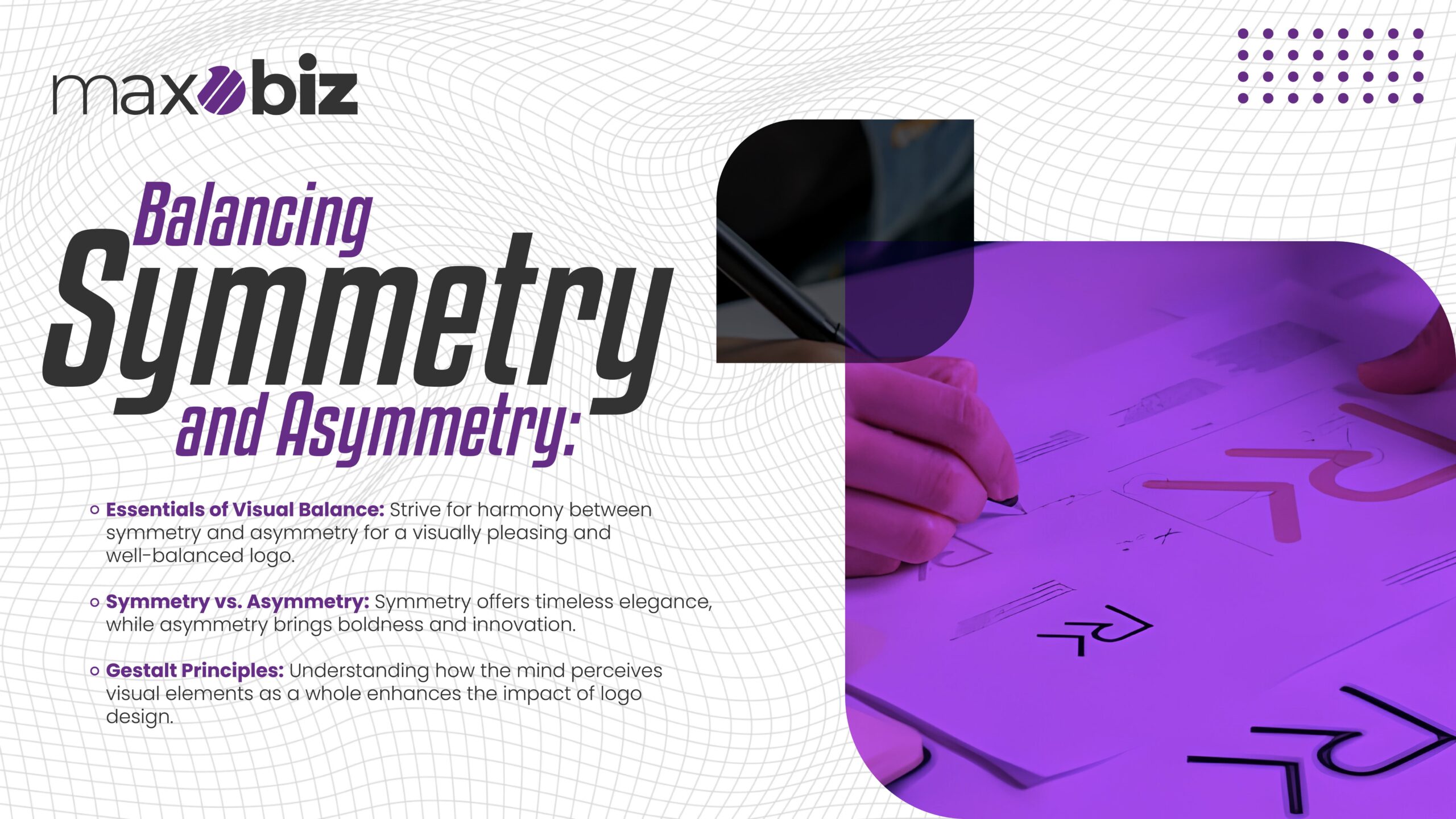
Credit: maxobiz.com
Frequently Asked Questions
What Is The Principle Of Balance And Symmetry?
Balance and symmetry are design principles ensuring elements are evenly distributed and proportioned. They create visual harmony. Balance can be symmetrical or asymmetrical, while symmetry implies identical arrangement. Both enhance aesthetics and improve user experience in various fields, including architecture, art, and web design.
Why Is Symmetry And Balance Important?
Symmetry and balance enhance visual appeal and harmony. They create a sense of order and stability. In design, these elements guide viewers’ attention and improve user experience. Balanced compositions make content more aesthetically pleasing and engaging. They also improve readability and retention, making the content more effective and impactful.
What Are Examples Of Balance Symmetry?
Balance symmetry examples include a butterfly’s wings, a human face, and a perfectly symmetrical snowflake. These natural forms exhibit symmetry, where one side mirrors the other. Such symmetry enhances aesthetic appeal and is often seen in art and architecture, creating a harmonious and balanced design.
Is Symmetry Essential To A Balanced Composition?
Symmetry can enhance a balanced composition, but it’s not essential. Asymmetry often creates dynamic and engaging designs. Balance depends on visual weight distribution, not symmetry alone.
Conclusion
Balance and symmetry shape our world. They create harmony in design. Understanding these concepts can improve our visual experiences. From nature to architecture, balance guides us. Symmetry brings order and beauty. Apply these principles in daily life. Notice the changes in perception.
Art, design, and even personal spaces benefit greatly. Start observing the balance around you. Experiment with symmetry in your projects. You will see the difference it makes. Achieving balance and symmetry is rewarding. It enhances aesthetics and functionality. So, embrace these essentials.
Improve your surroundings with simple adjustments. Enjoy the beauty they bring.