Are you a designer looking to protect your creative work? Navigating the world of copyright and licenses can be daunting, but understanding these concepts is crucial.
You pour your heart and soul into your designs, and ensuring your work is safeguarded is essential to maintaining your creative integrity and financial security. Imagine having the peace of mind knowing your designs are legally protected and your rights as a creator are respected.
You’ll uncover the essentials of copyright and licenses, empowering you to confidently protect and share your work. Discover how you can use these tools to your advantage, turning your passion into a secure and sustainable career. Stay with us as we unravel the complexities and reveal strategies that put you in control of your creative future.
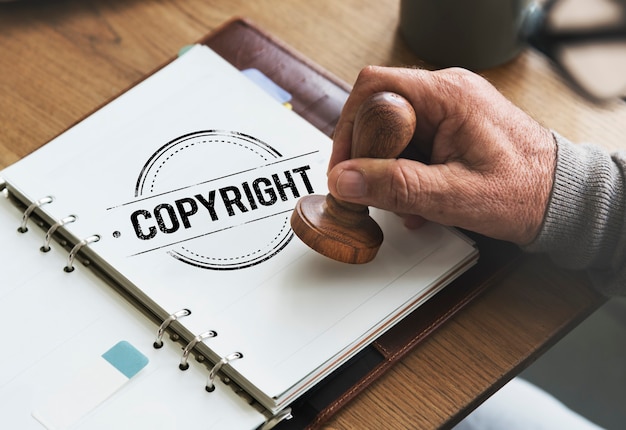
Credit: www.freepik.com
Copyright Basics
Understanding copyright is crucial for designers. It protects their creative work and ensures fair usage. Knowing the basics helps avoid legal issues and maintain professional integrity. This section delves into key aspects of copyright and its significance for designers.
What Is Copyright?
Copyright is a legal right given to creators. It grants protection for original works like art, music, and literature. This right enables creators to control how their work is used. Unauthorized use can lead to penalties. Designers should be aware of these rights to safeguard their creations.
Importance For Designers
Copyright holds immense value for designers. It ensures their work isn’t misused or copied without permission. Protecting designs means safeguarding intellectual property. This boosts credibility and trust in the design community. Understanding copyright basics helps maintain originality and creativity.

Credit: www.checkbox.ai
Types Of Licenses
As a designer, understanding the types of licenses available is crucial to your creative work. Different licenses dictate how you can use, share, and modify designs. This knowledge empowers you to make informed decisions, whether you’re creating original content or using existing resources. Let’s explore the options available to you.
Open Source Licenses
Open source licenses grant you the freedom to use, modify, and distribute designs. They encourage collaboration and innovation. But be mindful of the terms, as some require you to share your modifications under the same license.
Have you ever contributed to a design project that was open for anyone to use? Open source licenses make this possible. They foster community and growth but always read the fine print.
Creative Commons
Creative Commons licenses offer varying degrees of freedom for using and sharing work. They range from allowing any kind of use with attribution, to restricting commercial use or modifications.
Imagine finding the perfect design for your project, but you’re unsure how to use it legally. Creative Commons licenses provide clarity. They spell out what you can do with the design, so you don’t have to worry about infringing rights.
Commercial Licenses
Commercial licenses are designed for those looking to profit from designs. They often come with restrictions to protect the creator’s rights while allowing you to use the work for business purposes.
Have you ever needed a design for a product you planned to sell? Commercial licenses are your go-to. They ensure you can legally use the design in your business, but be prepared to pay a fee.
Each license type serves a unique purpose. Which one aligns with your current project needs? Understanding these licenses can save you time, money, and potential legal headaches. Equip yourself with knowledge, and navigate the creative world with confidence.
Protecting Your Work
As a designer, you pour your creativity and passion into your work. It’s vital to safeguard your designs from unauthorized use. Protecting your work ensures that your efforts are recognized, appreciated, and compensated fairly. Designers often overlook this aspect, but understanding how to secure your creations can save you from future headaches. Let’s dive into some practical ways to protect your designs.
Registering Copyright
Have you ever wondered how to legally own your designs? Registering copyright is your answer. This process officially records your work with the government, providing legal protection and a public record of ownership. It’s more than just a formality. Think of it as a shield against copycats.
Getting your copyright registered is straightforward. You submit your work, fill out some forms, and pay a small fee. Once done, you have a solid defense if someone tries to use your design without permission. This step is crucial, especially if your work is gaining traction in the industry.
Using Watermarks
Watermarks are like invisible fences for your designs. They deter unauthorized use by marking your work with your name or logo. It’s a simple yet effective way to signal ownership. Have you ever spotted a design online and wondered who made it? Watermarks answer that question instantly.
Adding a watermark is easy. Many design tools offer this feature. While it doesn’t provide legal protection like copyright registration, it discourages others from claiming your work as theirs. Think of it as a low-cost insurance policy for your creations.
Consider this: if someone stumbled upon your design, would they know it’s yours? Watermarks ensure they do. They also act as a subtle advertisement, spreading your brand whenever your work is shared.
In the world of design, how you protect your creations is as crucial as creating them. What steps are you taking to safeguard your work? Remember, protecting your designs today is investing in your future success.
Understanding Fair Use
Designers often encounter copyright and licenses. Fair use allows limited use of copyrighted works without permission. Understanding these rules can help designers avoid legal issues while creating.
Understanding the concept of fair use is essential for designers who often navigate the complex world of copyright and licenses. Fair use is a legal doctrine that allows limited use of copyrighted material without needing permission from the rights holders. It can be a powerful tool for designers, enabling creative freedom while respecting the original creator’s rights. But when exactly does fair use apply, and how can designers leverage it in their work?When Fair Use Applies
Fair use isn’t a free pass to use anything at will. It applies under certain conditions, often assessed on a case-by-case basis. The purpose of your use, the nature of the copyrighted work, the amount used, and the effect on the market for the original are all factors considered. Imagine you’re designing a poster for a local community event. You may use a portion of a popular song’s lyrics in your design, provided it’s for educational or non-commercial purposes, and you only use a small excerpt. This could be considered fair use, especially if it doesn’t harm the market value of the song. However, commercial use might not be protected under fair use. A designer creating a T-shirt line with a copyrighted image might face legal challenges unless they significantly transform the image. Always evaluate whether your use aligns with these criteria before assuming it qualifies as fair use.Fair Use In Design
In design, fair use can open doors to innovation by allowing designers to draw inspiration from existing works. This can be especially useful in editorial design, where commentary, criticism, and parody are common. Consider a magazine cover that critiques a political figure. Using a well-known photograph with added graphic elements or text could be deemed fair use if it transforms the image enough to offer new insights or commentary. Yet, fair use isn’t always straightforward. You might think using a small portion of an image in a collage is fair, but if that portion is the heart of the artwork, you could still face legal issues. Have you ever wondered if your design pushes the boundaries of fair use? Reflecting on the purpose and transformative nature of your work can help you determine if it stands on solid ground. As a designer, it’s crucial to understand these nuances. Fair use can be a complex but rewarding path. Always aim to respect original works while exploring your creative potential.Avoiding Infringement
Designers often face challenges with copyright and licenses. It’s crucial to avoid infringement. Understanding the rules protects your creative work. It also respects the rights of others.
Recognizing Copyrighted Material
Copyrighted material is protected by law. It includes books, music, and images. Using such material without permission can lead to problems. Always check if an item is copyrighted before using it. Look for symbols like © or phrases stating ownership. These signs help identify protected works.
Some works are public domain. This means they are free to use. But be cautious. Make sure the public domain status is clear. Mistakes can lead to legal issues. Always verify the source of your materials.
Using Licensed Resources
Licensed resources are another option for designers. They offer legal use of copyrighted material. Licenses can vary greatly. Some are free, while others require payment. Understand the terms of each license before use. Some licenses limit how you can use the material. Others may allow more freedom.
Check for Creative Commons licenses. They offer clear terms for usage. Some allow modifications, while others don’t. Respect the terms to avoid infringement. Ensure that you are compliant with the license details.

Credit: deerdesigner.com
Negotiating Licenses
Negotiating licenses is a crucial aspect for designers looking to protect their work and ensure fair compensation. It’s not just about agreeing on a price; it’s about understanding the terms and making sure both parties are satisfied. As a designer, you must be prepared to discuss terms that align with your creative vision and business goals. Navigating the negotiation process can be daunting, but with the right strategies, it becomes an opportunity to strengthen your professional relationships and safeguard your creations.
Key Terms To Consider
Before you start negotiating, familiarize yourself with essential terms related to licenses.
Duration: How long will the license last? Is it a one-time use or ongoing?
Exclusivity: Will the license be exclusive to the buyer, or can you sell it to others?
Territory: Consider where the license applies. Is it global or restricted to certain regions?
Usage Rights: Define how your work can be used. Is it for digital use, print, or both?
Understanding these terms will help you craft a license that suits your needs. Think about what you want from the deal and what you’re willing to compromise on.
Negotiation Strategies
Effective negotiation starts with preparation. Research similar deals to understand market standards.
Be clear about your priorities. What is non-negotiable for you? Are you more concerned about usage rights than exclusivity?
Listen actively. Pay attention to what the other party values. It could reveal areas for compromise.
Consider starting with a proposal that slightly favors your preferences. This gives you room to adjust during discussions.
Have you ever negotiated a deal that seemed off at first, but turned out beneficial? Reflecting on past experiences can guide your current strategies.
Approach negotiations with confidence but be flexible. Your willingness to adapt can lead to a win-win agreement.
How would you feel if your terms were misunderstood or ignored? Ensuring clarity and mutual respect is key to successful negotiations.
Remember, negotiating licenses is not just about protecting your work, but also about building lasting partnerships. Use these interactions to solidify your professional network.
International Copyright
Designers must know international copyright laws to protect their work. Copyright grants legal rights to creations, ensuring originality is safeguarded. Understanding licenses helps designers manage how others use their designs, maintaining control over their intellectual property.
Understanding international copyright can be a game-changer for designers who work across borders. Laws vary significantly from one country to another, and this can impact how you use and protect your creative work. Navigating these differences is essential for ensuring your designs remain secure and respected globally. ###Differences Across Borders
Copyright laws aren’t the same everywhere. In the United States, copyright protection is automatic once your work is created and fixed in a tangible form. However, in countries like Germany, registration might be required for added legal protection. Have you ever created a design in one country and wondered if it’s protected in another? The answer isn’t always straightforward. Some countries have strict copyright laws, while others might offer minimal protection. The Berne Convention helps to align copyright laws internationally, but it’s crucial to understand local nuances. ###Global Licensing Strategies
Licensing your work globally requires a strategic approach. Consider creating contracts that specify rights and limitations clearly. This ensures that your designs are used appropriately and you retain control over your creative output. Have you thought about how your licensing agreements reflect international standards? Using a universal licensing template can help. However, adapting it to fit local laws is crucial. This not only protects your rights but also builds trust with international clients. Effective global licensing also involves keeping up with changes in international copyright laws. Are you regularly updating your knowledge to stay compliant? Staying informed ensures that your work is protected no matter where it’s used. In a world where your designs can travel across borders in seconds, understanding international copyright and licensing is more important than ever. Protect your work and maintain its integrity by staying informed and adapting your strategies accordingly.Future Of Copyright In Design
Designers face new challenges with copyright in today’s fast-paced world. The digital era changes how we think about intellectual property. As technology evolves, so does the way we protect creative work. Understanding the future of copyright in design is crucial for those in the field. It ensures designers can safeguard their creations effectively.
Digital Age Challenges
The digital age brings unique challenges for designers. Online platforms make sharing designs easier than ever. This convenience also leads to increased risks of unauthorized use. Protecting designs from plagiarism becomes a significant concern. Designers must stay informed about copyright laws. They need tools to monitor their work online. Technology helps but creates new vulnerabilities. Understanding these challenges is key to protecting creative assets.
Emerging Trends
New trends in copyright are reshaping the design industry. Blockchain technology offers innovative ways to secure designs. It provides a transparent record of ownership. Designers can benefit from this decentralized approach. Licensing models are also adapting to modern needs. Creative Commons licenses allow flexible sharing and usage terms. These trends empower designers to control their work effectively. Staying updated with these developments is essential. It ensures designers can navigate the changing landscape.
Frequently Asked Questions
How To Get A Copyright For A Design?
Register your design with the U. S. Copyright Office online. Fill out the application form, pay the fee, and submit your design. The process grants legal protection and establishes ownership.
Do Designs Have Copyright?
Designs are protected by copyright if they are original and creative. Copyright grants exclusive rights to the creator. Registering the design can strengthen legal protection. Copyright covers the expression of ideas, not the ideas themselves. Consult legal experts for specific advice on copyright issues related to designs.
What Can A Designer Legally Do If Someone Copies Their Design Without Permission?
A designer can file a copyright infringement lawsuit. They can seek damages and request a court order to stop the copying. Consulting a legal professional is advisable to understand the full scope of options available. Protecting designs with copyright registration strengthens their legal position.
Are My Designs Automatically Copyrighted?
Yes, your designs are automatically copyrighted upon creation. Copyright protection occurs without registration. However, registering can provide additional legal benefits.
Conclusion
Understanding copyright and licenses is crucial for designers. It protects creativity. This knowledge guides projects and ensures legal safety. Designers can create confidently. They can share work without fear of misuse. Clear licenses help in collaborations. They build trust among partners.
Respect for intellectual property boosts the industry. It encourages innovation. Designers should stay updated on laws. Staying informed helps avoid legal issues. It keeps the focus on design. Creative freedom thrives when rights are respected. Designers should always prioritize legality.
It’s part of professional growth.