Are you looking to create art that speaks volumes with simplicity? Designing minimalist artwork might be the perfect path for you.
Imagine capturing emotions, ideas, and stories with just a few elements. It’s like speaking a language where each word holds a world of meaning. Minimalism strips away the unnecessary, leaving behind only what truly matters. This approach can be incredibly powerful, drawing your audience in and leaving a lasting impression.
As you explore the art of minimalism, you’ll discover how to communicate complex thoughts with clarity and elegance. Ready to dive into a world where less is more? Let’s unravel the beauty and power behind minimalist artwork.
Principles Of Minimalist Art
Minimalist art focuses on simplicity and clarity, using minimal elements to convey powerful messages. Designing minimalist artwork involves careful selection of basic shapes, lines, and colors to create impactful visuals. This art form often emphasizes space and form, encouraging viewers to explore the essence of the subject.
Minimalist art is a celebration of simplicity. It strips away the excess, allowing the viewer to focus on the essentials. The principles of minimalist art are not just guidelines; they are a mindset. They challenge you to appreciate what remains when you remove the clutter. Creating minimalist artwork can be a transformative experience. You learn to see beauty in the bare essentials. But what exactly are these principles that guide minimalist artists?Understand The Power Of Less
Minimalism teaches you that less is often more. When you remove unnecessary elements, the core message becomes clearer. Think about a room with only a chair and a lamp—how does that space make you feel? In art, removing distractions allows the viewer to focus on the emotion and message conveyed by the artwork. What can you strip away to reveal the essence of your piece?Embrace Simplicity
Simplicity is at the heart of minimalist art. It’s about creating with intention and clarity. Simple lines, shapes, and colors can evoke powerful emotions. Once, I spent hours refining a sketch, only to find its true beauty when I removed half of the lines. Consider simplifying your next project. What emotions can you evoke with a single color or shape?Balance And Harmony
Minimalist art strives for balance and harmony in its composition. Each element must contribute to the overall design. Imagine a perfectly balanced scale; one slight adjustment can tip it. In your artwork, achieve harmony by paying attention to spacing and proportion. Is your composition balanced, or does it need adjustment?Focus On Functionality
Every element in minimalist art serves a purpose. It’s not just about aesthetics; it’s about functionality. Consider the design of a sleek smartphone—every button and feature is intentional. In your artwork, ask yourself: does each component serve a purpose? Or is it just adding visual noise?Use Of Space
Negative space is a powerful tool in minimalist art. It’s the space around and between the subjects of an image. Imagine a blank canvas with a single dot; how does it draw your attention? In your artwork, utilize negative space to highlight the focal point. How can the empty space enhance your design? Minimalist art is a journey of discovery. It challenges you to find beauty in simplicity. The principles are simple, yet profound. They invite you to create with clarity and intention. Are you ready to embrace the minimalist mindset in your next creation?Color Theory In Minimalism
Minimalist art thrives on simplicity and clarity, focusing on the essentials. Color plays a pivotal role in minimalist artwork, influencing mood and perception. Color theory in minimalism is not about vibrant hues or complex palettes. It centers on the strategic use of few colors to create impact. Understanding how colors interact is vital for designing compelling minimalist pieces.
Using Neutral Colors
Neutral colors form the backbone of minimalist art. Whites, blacks, and grays offer simplicity and elegance. These colors create balance and harmony in artwork. They help focus attention on the subject without distractions. Neutral tones can evoke calm and serenity, enhancing the minimalist essence.
Impact Of Bold Colors
Minimalist designs occasionally employ bold colors for emphasis. A single bright color can draw the eye to a specific element. This contrast between neutral and bold colors adds interest. Bold hues should be used sparingly to maintain simplicity. When used correctly, they can evoke strong emotions.
Color Combinations
Effective minimalist designs often use simple color combinations. Pairing neutral shades with a single bold color is common. This approach creates visual interest while maintaining simplicity. Complementary colors can be used for added depth. Understanding color relationships is key in achieving minimalism.
Emotional Influence Of Colors
Colors in minimalist art can influence emotions. Blues and greens may evoke calmness and tranquility. Warm colors like red and orange can energize and stimulate. Choosing the right color can set the mood for the artwork. Minimalist artists often use color to convey subtle messages.
Choosing The Right Materials
Creating minimalist artwork is an exercise in restraint and precision. While the concept itself may seem simple, the choice of materials can dramatically influence the final outcome of your work. Selecting the right materials is crucial, as they can enhance or detract from the minimalist aesthetic you aim to achieve.
When I first started designing minimalist artwork, I was overwhelmed by the endless options for materials. I learned that the key is to focus on quality over quantity. Ask yourself, what materials best serve your vision?
Minimalism thrives on simplicity. Using high-quality paper or canvas can make a significant difference. The texture and weight of the paper can influence the overall feel of your artwork.
Consider using sustainable materials. These not only add value to your art but also resonate with the minimalist ethos of reducing excess. Bamboo paper or recycled materials can be great choices.
Experiment With Colors
Minimalist artwork often features a limited color palette. It’s not just about picking fewer colors but choosing ones that resonate. Experimenting with different shades can lead to unexpected results.
One of my favorite experiences was using a single shade of blue across various textures. The subtle differences in texture brought out the depth in the color, proving that even minimal choices can be rich and engaging.
Tools Matter
The tools you use can affect the precision and clarity of your designs. Investing in quality brushes or pens can make your lines cleaner and your shapes more defined.
Try out different tools to find what feels right. Sometimes, a simple pencil can create the most profound impact. What do your tools say about your artistic style?
Embrace Limitations
Working with limited materials can spark creativity. Restrictions force you to think outside the box and come up with innovative solutions.
Once, I challenged myself to create a piece using only charcoal on recycled paper. The limitations pushed me to explore textures and shading in ways I hadn’t before. How can embracing limitations enhance your creative process?
Choosing the right materials is a journey of discovery. It’s about finding what resonates with your vision and enhances your minimalist expression. Each decision you make can bring you closer to creating artwork that truly reflects your unique style.
Incorporating Negative Space
Minimalist artwork shines through the clever use of negative space. This technique emphasizes essential elements, creating a clean and focused design. By allowing blank areas, artists invite viewers to explore imagination and find deeper meaning within simplicity.
Designing minimalist artwork is all about simplicity and clarity. A key element to master is the use of negative space. This space isn’t just empty—it’s a powerful tool that enhances the overall design. Negative space can create balance, draw attention to specific elements, and even evoke emotions. But how do you effectively use negative space in your artwork? ###Understand The Purpose Of Negative Space
Negative space should serve a purpose in your design. It’s not merely about leaving areas blank. It can highlight the focal point of your artwork, making the central elements stand out more vividly. Consider the famous example of the FedEx logo, where negative space cleverly forms an arrow. This subtle detail adds depth and meaning, emphasizing speed and precision. ###Balance Between Elements And Space
Creating balance between your artwork’s elements and negative space is crucial. Too much clutter can overwhelm the viewer, while too much empty space might make the design feel incomplete. Imagine an art piece where every inch is filled with color and detail. It can feel chaotic and exhausting to look at. Instead, allowing breathing room helps direct the viewer’s attention to where it matters most. ###Experiment With Simplicity
Simplicity doesn’t mean boring. It’s about distilling your message to its essence. When you strip away the unnecessary, what remains gains significance and impact. Think of a time when you were drawn to a simple black-and-white photograph. The minimal colors enhanced the emotional appeal, right? Use this principle to create artwork that’s both striking and memorable. ###Use Shapes And Lines Wisely
Shapes and lines can guide the viewer’s eye across your artwork. They can interact with negative space to create a dynamic flow or a sense of tranquility, depending on their arrangement. Start with a simple shape, like a circle or a line, and see how negative space interacts with it. This practice can reveal new perspectives and inspire creative solutions. ###Ask For Feedback
Getting feedback can provide fresh insights into how others perceive your use of negative space. What you see as balanced, others might see as empty. Ask friends or fellow artists for their thoughts. Their perspectives can help refine your designs and lead to improvements you hadn’t considered. What are your thoughts on using negative space in minimalist art? Share your experiences and insights in the comments below!Balancing Form And Function
Minimalist artwork blends simplicity and purpose, creating harmony between form and function. Each element serves a distinct role, ensuring clarity and elegance. Through thoughtful design, artists achieve beauty and practicality in their creations.
Balancing form and function is crucial in minimalist artwork. This delicate balance ensures that art remains visually appealing while serving a purpose. Minimalist design strips away excess, focusing on essentials. Every element must contribute to the whole. Achieving harmony between form and function is an art itself. This approach is not just about aesthetics. It is about creating meaningful experiences.Understanding Minimalism
Minimalism emphasizes simplicity and clarity. It avoids clutter and distractions. The goal is to create a focused and intentional design. Each component should have a purpose. Minimalist art often uses clean lines and simple shapes. Less is often more in this style.Importance Of Functionality
Art must do more than look good. It needs to serve a function. Functionality ensures that art fulfills a need or purpose. In minimalist design, function dictates form. The design must be practical and effective. Functionality should never be compromised for style.How To Balance Form And Function
Balancing these elements requires careful consideration. Start by identifying the purpose of the artwork. Understand the needs it must meet. Design elements should support this purpose. Avoid unnecessary details that distract from the main idea. Focus on elements that enhance the function. Use form to complement and elevate the function.Benefits Of Balanced Design
Balanced design offers clarity and purpose. It creates a more engaging experience for the viewer. The artwork feels complete and intentional. This balance can lead to greater appreciation and understanding. It fosters a connection between the art and its audience.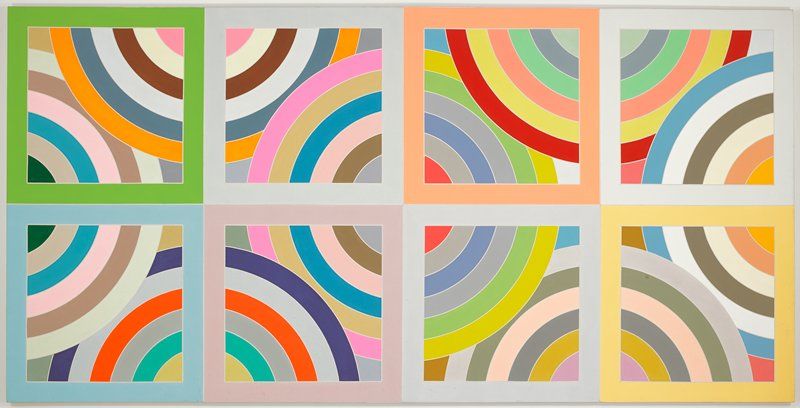
Credit: theartling.com
Creating Visual Harmony
Creating visual harmony is essential in minimalist artwork. It brings balance and calmness. A harmonious design captures attention. It guides the viewer’s eyes smoothly. To achieve this, focus on symmetry, proportion, and scale. These elements work together to create a cohesive piece.
Symmetry And Asymmetry
Symmetry offers balance. It is pleasing to the eye. Many artists use it for a sense of order. Symmetrical designs are predictable. This predictability can be soothing. Asymmetry, on the other hand, adds interest. It creates a dynamic look. Asymmetry encourages the viewer to explore. Both can exist in harmony. The key is in their careful use.
Proportion And Scale
Proportion relates to the size of elements. It affects how they relate to each other. Proper proportion creates unity. It ensures no element overpowers another. Scale refers to the size of objects in relation to space. Large objects can dominate a design. Smaller elements can suggest delicacy. Balancing these aspects is crucial. It ensures a cohesive and engaging artwork.
Inspirational Minimalist Artists
Minimalist artists inspire with their simple yet powerful designs. Their artwork uses basic shapes and colors to convey deep emotions. These artists focus on clarity and beauty, creating pieces that speak volumes without complexity.
Minimalist artwork has a unique way of speaking volumes through simplicity. It’s not just about reducing elements but finding the essence of a piece. If you’re drawn to minimalist designs, understanding the vision of inspirational minimalist artists can be incredibly enriching. These artists have mastered the art of saying more with less, offering profound insights into the minimalist approach.Donald Judd: The Art Of Space
Donald Judd revolutionized how we perceive space in art. He used clean lines and geometric shapes to create works that invite you to reflect on their spatial relationships. Judd’s creations encourage you to think about the balance and harmony within a space, sparking ideas for your own minimalist designs.Agnes Martin: Embracing Subtlety
Agnes Martin found beauty in subtlety. Her work is characterized by soft lines and muted colors, promoting tranquility and introspection. As you explore her art, consider how the gentle repetition and understated tones can inspire your own approach to minimalist design.Ellsworth Kelly: Color And Form
Ellsworth Kelly’s minimalist art focuses on bold colors and simple forms. He understood the power of color to convey emotion and meaning. How can the strategic use of color in your artwork evoke feelings and thoughts without overwhelming the viewer?Frank Stella: Dynamic Simplicity
Frank Stella’s pieces are a testament to dynamic simplicity. His work often features repetitive patterns and vibrant colors that create movement and energy. Stella’s art challenges you to think about how repetition and rhythm can be used to create engaging minimalist artwork.Yayoi Kusama: Infinity And Minimalism
Yayoi Kusama merges the concept of infinity with minimalist art. Her use of repetitive patterns and dots creates an immersive experience that feels endless. Consider how the idea of infinity can inspire depth and perspective in your minimalist creations. Minimalist art isn’t just about the absence of detail. It’s about intentional design choices that provoke thought and emotion. As you explore these artists’ works, think about your own artistic journey. How can their visions shape your approach to minimalist artwork? What elements can you add or remove to create a piece that speaks to you and your audience?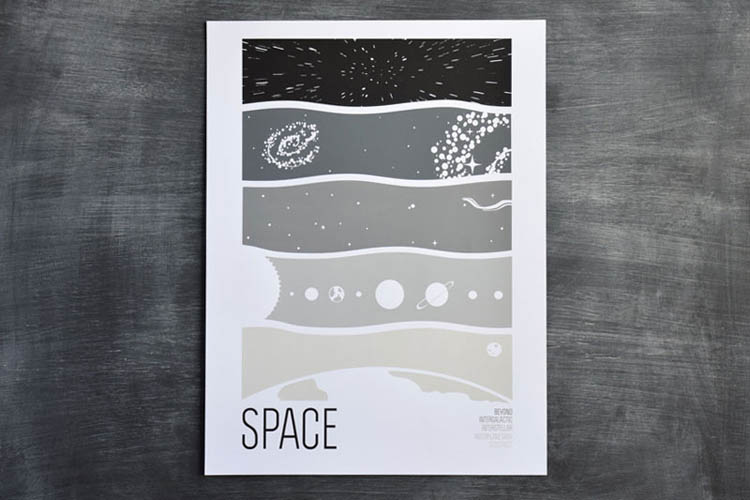
Credit: layersmagazine.com
Modern Trends In Minimalist Art
Minimalist art continues to evolve, embracing simplicity and elegance. Modern trends highlight clean lines, open spaces, and subtle color palettes. Artists focus on essential forms, expressing ideas with minimal elements. This approach creates a sense of calm and clarity. Each piece invites viewers to find meaning in simplicity. Let’s explore some key trends shaping minimalist art today.
Emphasis On Negative Space
Negative space plays a crucial role in minimalist art. Artists use empty areas to highlight main elements. This technique draws attention to the artwork’s core message. Negative space adds balance and harmony. It allows the viewer’s eye to rest, creating a soothing effect.
Use Of Monochrome Palettes
Monochrome palettes dominate minimalist art. Artists choose shades of a single color for a unified look. This approach simplifies the visual experience. It encourages viewers to focus on form and texture. Monochrome art feels timeless and sophisticated.
Geometric Shapes And Patterns
Geometric shapes define many minimalist artworks. Circles, squares, and triangles appear frequently. These forms create a sense of order and precision. Patterns often emerge from repeating shapes. This repetition adds rhythm and flow to the artwork.
Incorporation Of Natural Materials
Natural materials are gaining popularity in minimalist art. Wood, stone, and metal provide texture and warmth. These materials connect art to the natural world. Their organic qualities add depth and character. Artists use them to create a tactile experience.
Digital Minimalism
Digital minimalism is on the rise. Artists embrace technology to create sleek, modern pieces. Digital tools offer precision and flexibility. They enable new forms of expression. This trend blends technology with traditional art principles.
Tips For Aspiring Minimalist Artists
Designing minimalist artwork is a rewarding journey for aspiring artists. This style emphasizes simplicity, focusing on essentials and removing the unnecessary. Aspiring minimalist artists often seek guidance to create impactful pieces. Here are some tips to help you start your minimalist art journey.
Understand The Essence Of Minimalism
Learn the core principles of minimalism. It’s about simplicity and clarity. Minimalism removes distractions and focuses on the essential elements. Study minimalist artists to understand their techniques and philosophies. This foundation will guide your creative process.
Start With A Clear Concept
Begin with a strong, clear idea. Minimalist art thrives on well-defined concepts. Spend time refining your idea to its simplest form. This clarity will shine through in your artwork.
Focus On Composition
Composition is key in minimalist art. Arrange elements thoughtfully to create balance and harmony. Use negative space effectively to enhance your composition. This creates a visually pleasing and impactful piece.
Choose A Limited Color Palette
Use a limited color palette to maintain simplicity. Select colors that convey your message clearly. This approach adds depth without overwhelming the viewer.
Embrace Negative Space
Negative space is your ally in minimalist artwork. It helps highlight the main elements of your design. Use it to create breathing room and guide the viewer’s eye.
Experiment With Different Mediums
Don’t shy away from trying new mediums. Experimenting can lead to unique minimalist expressions. Each medium offers different textures and effects to explore.
Regularly Edit Your Work
Editing is crucial in the minimalist art process. Continuously refine your artwork to remove unnecessary elements. This ensures your final piece remains simple and effective.
Seek Feedback And Iterate
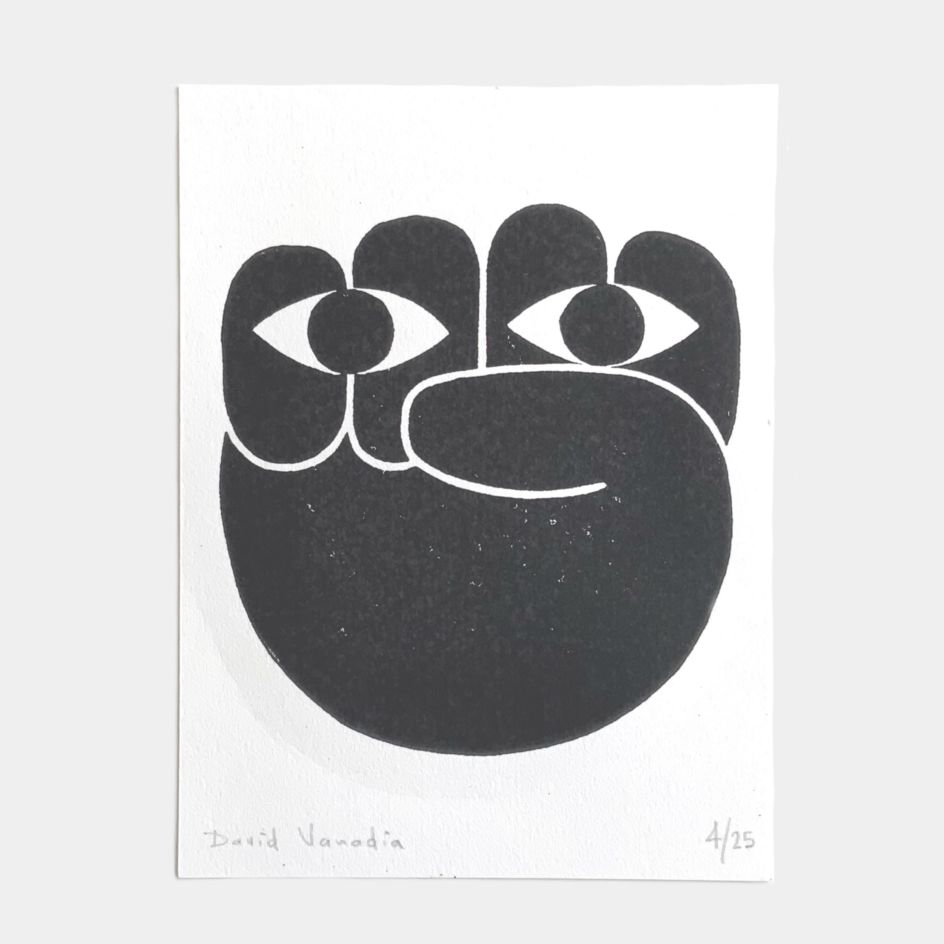
Share your work with others and seek feedback. Constructive criticism can offer new perspectives and improvements. Use feedback to iterate and enhance your work.
Credit: www.creativeboom.com
Frequently Asked Questions
What Are The Rules Of Minimalist Art?
Minimalist art focuses on simplicity, using basic shapes, limited colors, and clean lines. Artists emphasize form over detail, often employing repetition and precision. The art should evoke contemplation, eliminating unnecessary elements to highlight the essence. The goal is to create a direct, unembellished experience for the viewer.
How To Create Minimalistic Designs?
To create minimalistic designs, use clean lines, simple colors, and ample white space. Prioritize essential elements and maintain a balanced layout. Focus on functionality and clarity to enhance user experience. Limit decorative elements to avoid clutter.
What Is The Minimalist Art Technique?
Minimalist art emphasizes simplicity, using basic shapes, colors, and forms. It focuses on reducing elements to their essence. Artists aim for clarity and precision, eliminating unnecessary components. This technique highlights space, material, and texture, creating a clean, uncluttered aesthetic. Minimalism encourages viewers to appreciate the purity of each element.
What Is The Minimalist Design Theory?
Minimalist design theory emphasizes simplicity and functionality. It uses clean lines, limited color palettes, and uncluttered spaces. This approach focuses on essential elements, promoting a sense of calm and clarity. The goal is to create efficient and aesthetically pleasing designs, removing unnecessary details to enhance user experience.
Conclusion
Minimalist artwork captures beauty through simplicity. Each piece tells its own story. Clean lines and gentle colors evoke emotion. Artists express ideas with less. This style invites reflection and interpretation. It fosters calm in a busy world. Minimalism in art encourages mindfulness.
It reminds us less can be powerful. Creating minimalist artwork requires thought and intention. It challenges norms and embraces clarity. Artists find freedom in simplicity. They explore possibilities with fewer elements. So, embrace the minimalist journey. Let your creativity thrive in simplicity.
Celebrate the beauty of less in art.