Imagine being able to see your vision come to life before you even begin creating it. That’s the power of design mockups.
You might be wondering why they’re essential and how they can make your design process more efficient and effective. Whether you’re a seasoned designer or just starting out, utilizing design mockups can transform your workflow, boost creativity, and ensure your projects hit the mark every time.
You know that first impressions matter, especially in design. Design mockups provide you with a sneak peek into how your finished product will look and feel. They allow you to experiment with different ideas, layouts, and color schemes without any risk. This means you can present your concepts to clients or team members with confidence, knowing they’ll see the full potential of your design. As you read on, you’ll discover how design mockups can save you time, reduce errors, and enhance collaboration. You’ll learn practical tips on how to create and use mockups to elevate your design projects. So, are you ready to unlock the full potential of your design skills? Let’s dive in and explore the exciting world of design mockups.

Credit: www.fastercapital.com
Importance Of Design Mockups
Design mockups play a crucial role in the creation of digital products. They provide a visual preview of what a final product will look like. This helps teams spot errors early and adjust plans. Mockups ensure that everyone sees the same vision.
Understanding Design Mockups
Design mockups are detailed visual guides. They show how a product will look. Mockups include colors, fonts, and layouts. They bridge the gap between ideas and reality.
Enhancing Communication
Mockups improve communication among team members. They offer a visual reference that everyone can understand. This minimizes misunderstandings and keeps everyone aligned.
Saving Time And Resources
Using mockups saves time and resources. They help identify design flaws early. Teams can address issues before development begins. This reduces costly changes later.
Testing User Experience
Mockups allow for testing user experience. They show how users might interact with the product. Feedback from these tests guides improvements. This ensures a better user experience.
Facilitating Stakeholder Approval
Stakeholders need to approve designs. Mockups offer a clear view of the final product. This helps stakeholders make informed decisions. Approval processes become smoother and faster.
Supporting Iterative Design
Mockups support iterative design. Teams can refine designs based on feedback. This leads to better final products. Iterative design ensures quality and satisfaction.
Benefits For Creative Teams
Design mockups are a powerful tool for creative teams. They offer a visual representation of ideas, making it easier for everyone involved to grasp the concept. This leads to a range of benefits that enhance the creative process and workflow.
Enhanced Collaboration
Design mockups foster collaboration among team members. When everyone can see a visual concept, it becomes simpler to brainstorm and build on ideas. You might have experienced a moment where a mockup sparked a new idea during a team meeting. This shared vision encourages unity and creativity.
Mockups bring everyone to the same page. They help bridge the gap between designers, developers, and stakeholders, making collaboration seamless. Have you ever noticed how much easier it is to work together when you all understand the end goal?
Clearer Communication
Mockups eliminate ambiguity. They provide a clear picture of what the final product should look like, reducing misunderstandings. Have you ever struggled to explain a design concept with words alone? Mockups speak louder than words.
By using mockups, you can communicate your ideas effectively to clients and team members. This clarity helps to ensure that everyone has a shared understanding. You can avoid the frustration of multiple rounds of revisions simply by showing a mockup.
Streamlined Feedback
Mockups simplify the feedback process. They allow team members and stakeholders to pinpoint specific elements for improvement. Have you noticed how easy it is to make adjustments when feedback is precise?
With mockups, feedback becomes actionable. Instead of vague suggestions, you receive direct input on what needs to be changed. This leads to quicker iterations and a more efficient design process. Are you leveraging mockups to receive constructive feedback?
Utilizing design mockups can transform the way your creative team works. They enhance collaboration, clarify communication, and streamline feedback. Are you ready to harness the power of mockups in your projects?
Types Of Design Mockups
Design mockups are essential tools in the creative process. They help visualize ideas before the final product takes shape. Designers use different types of mockups to achieve their goals. Each type serves a unique purpose in the design journey.
Low-fidelity Mockups
Low-fidelity mockups are basic sketches or wireframes. They focus on the layout and structure of a design. These mockups use simple shapes and lines. They offer a quick way to explore ideas without detailed design elements. Useful for early brainstorming sessions.
High-fidelity Mockups
High-fidelity mockups are detailed and polished. They include colors, typography, and images. These mockups closely resemble the final product. Designers use them to communicate design details to stakeholders. They help ensure everyone shares the same vision.
Interactive Prototypes
Interactive prototypes bring designs to life. They allow users to interact with the design. These prototypes simulate user experience and functionality. Useful for testing and refining ideas. Designers can gather feedback before moving to development.
Tools For Creating Mockups
Design mockups play a crucial role in visualizing ideas before production. They help bridge the gap between concepts and reality. Choosing the right tools for creating mockups is essential. It can significantly enhance the design process. With the right software, designers can efficiently turn ideas into visual presentations. This section explores some popular software options. It also offers insights into choosing the right tool for your needs.
Popular Software Options
Several software tools are widely used for creating mockups. Adobe XD is a favorite for many designers. It’s known for its user-friendly interface. Sketch is another popular choice. It’s especially favored by Mac users. Figma is gaining popularity too. It’s a cloud-based tool. This allows for easy collaboration. Other options include InVision, known for its prototyping features. Each software has unique features. Understanding these helps in making an informed choice.
Choosing The Right Tool
Choosing the right mockup tool depends on several factors. Consider the complexity of your project. Some tools offer advanced features. Others are simple and straightforward. Budget is another factor. Some tools are free, while others require a subscription. Evaluate the learning curve. Some software is easier to learn. Also, think about collaboration needs. Tools like Figma offer excellent collaboration features. Lastly, check for compatibility with other software you use. This ensures a smooth workflow.
Incorporating Mockups Into Workflow
Design mockups streamline the creative process by providing a visual preview of the final product. This helps teams align their vision and make necessary adjustments early, saving time and resources. Efficiently integrating mockups into workflow enhances collaboration and reduces errors.
Incorporating design mockups into your workflow can be a game-changer. It offers clarity, saves time, and bridges the gap between ideas and execution. Imagine having a visual blueprint that guides you seamlessly from concept to completion. By integrating mockups effectively, you ensure everyone involved is on the same page, reducing miscommunications and costly errors. Whether you’re a designer, developer, or project manager, understanding how to weave mockups into your workflow can elevate your entire project experience. Let’s break down this process into actionable steps.Initial Planning Stages
At the start, clarity is your best friend. A design mockup provides a visual reference that helps you and your team understand the project’s direction. Think of it as a roadmap that highlights key features and aesthetics before you dive into development. When you sit down to plan, involve all stakeholders. Use mockups to communicate your vision effectively and gather feedback early. This proactive approach can prevent misunderstandings and set the tone for the entire project. Visualizing the end product can help in setting realistic timelines. With a mockup in hand, you can identify potential challenges and address them before they become roadblocks.Iterative Design Process
Mockups are not static. They should evolve as your project progresses. Embrace an iterative design process where feedback is continuously gathered and applied. This dynamic approach allows for quick adjustments and refinements. Engage your team and clients in regular review sessions. Use mockups to demonstrate changes and enhancements. This keeps everyone informed and invested in the project’s success. Consider the impact of small tweaks. Sometimes, a minor change in a mockup can lead to significant improvements in the final product. Stay open to experimentation and innovation.Final Approval And Launch
As you approach the finish line, mockups play a crucial role in securing final approval. They provide a comprehensive view of the end product, allowing stakeholders to visualize the result before it goes live. Ensure that all feedback has been addressed and incorporated into the final design. A well-prepared mockup can speed up the approval process, as it minimizes last-minute surprises. When it’s time to launch, confidence is key. With mockups guiding every step, you can launch knowing that the design aligns with the initial vision and expectations. This assurance not only boosts team morale but also enhances the user’s experience. How have you used mockups in your projects? Share your insights and experiences in the comments below. Your story might inspire someone to rethink their workflow!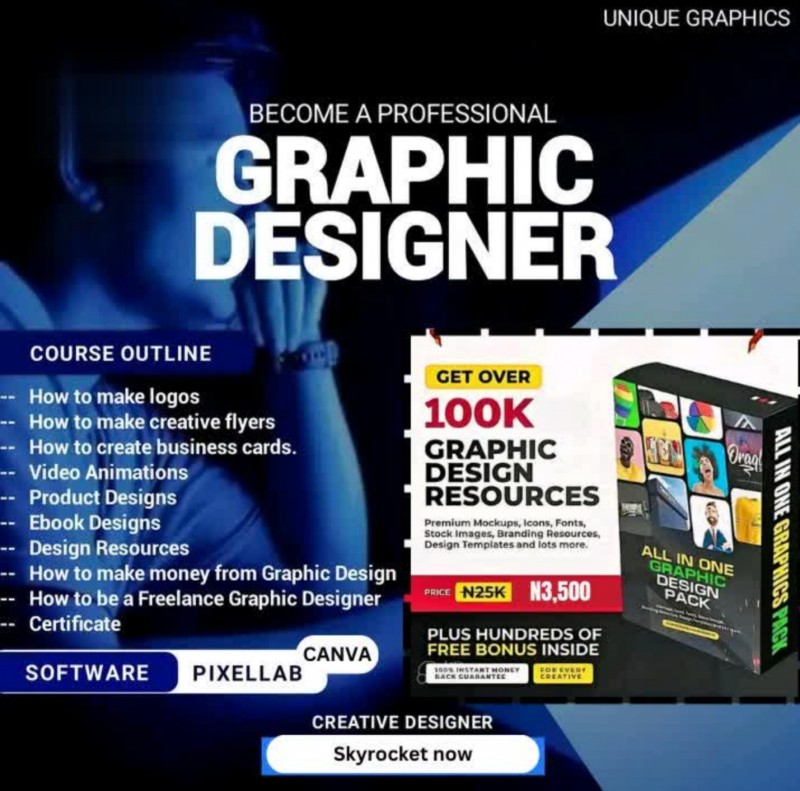
Credit: selar.com
Best Practices For Effective Mockups
Creating effective mockups is essential in design projects. They bridge the gap between ideas and reality. Mockups help visualize design concepts. They ensure everyone is on the same page.
Applying best practices can enhance the mockup process. It results in more accurate and useful designs. Key areas of focus include consistency, user experience, and feedback.
Maintaining Consistency
Consistency in design mockups is crucial. It ensures the user interface looks uniform. Use the same fonts, colors, and sizes throughout. This creates a seamless and professional look.
Inconsistent elements confuse users. They weaken the design’s impact. Consistent mockups build trust. They also make the design process smoother.
Focusing On User Experience
User experience should be a top priority in mockups. Design with the end-user in mind. Ensure navigation is intuitive. Elements should be easy to understand and use.
Consider the user’s journey through the design. Make sure the flow is logical. A good user experience increases satisfaction. It also boosts engagement with the design.
Gathering Constructive Feedback
Feedback is vital for improving design mockups. Share your mockups with stakeholders early. Encourage honest and constructive feedback.
Listen to suggestions and concerns. They can lead to valuable insights. Use feedback to refine and enhance your design.
Remember, the goal is an effective and user-friendly design. Feedback helps achieve this goal.
Challenges And Solutions
Design mockups play a vital role in the creative process. They help visualize ideas, ensuring alignment with project goals. Yet, challenges arise in managing time and balancing detail with flexibility. Addressing these challenges can streamline the design workflow.
Time Management
Time management is crucial in the design process. Designers often face tight deadlines. Balancing creativity and efficiency becomes a challenge. Allocating time for revisions is essential. Set clear timelines for each design phase. This ensures progress without compromising quality. Use tools like Trello or Asana to track tasks. These tools help in staying organized. Prioritize tasks based on urgency and importance. Efficient time management enhances productivity and satisfaction.
Balancing Detail And Flexibility
Finding the right balance between detail and flexibility is tricky. Too much detail can slow down progress. It may also limit creativity. On the other hand, too much flexibility can lead to chaos. Designers need to establish a clear vision. This vision guides their design decisions. Allow room for adjustments as necessary. Flexibility is important to adapt to feedback. Yet, maintaining core design elements is crucial. This balance ensures the design remains effective and adaptable.
Case Studies Of Successful Mockup Use
Design mockups are crucial in bringing ideas to life. These visual representations help teams understand and refine concepts. Examining case studies of successful mockup use provides valuable insights. Discover how real-world examples demonstrate the power of design mockups.
Real-world Examples
One company used mockups to redesign their website. They created detailed visual drafts. This helped stakeholders visualize the final product. Feedback from these mockups improved the design significantly. Another business used mockups for a new mobile app. It streamlined communication between developers and designers. The mockups made it easier to identify potential issues early.
Lessons Learned
These case studies highlight important lessons. Mockups save time and resources. Early visualization helps prevent costly mistakes later. They foster collaboration among teams. Everyone understands the project goals better. Mockups also enhance creativity. Teams explore different design possibilities freely. Using mockups leads to more polished final products.

Credit: www.vecteezy.com
Frequently Asked Questions
Why Do Designers Use Mock Ups?
Designers use mock-ups to visualize ideas and test designs before final production. Mock-ups help communicate concepts to clients, allowing feedback and adjustments. They save time and resources by identifying issues early. Mock-ups enhance presentations, making designs more appealing and realistic.
They bridge the gap between imagination and reality.
How Do You Apply A Mockup Design?
To apply a mockup design, open the design file in your preferred software. Insert your content or images into designated placeholders. Adjust size and alignment as needed. Save and export the final version. Ensure all elements align with your branding.
What Are The Disadvantages Of Mockups?
Mockups can be time-consuming and costly to create. They might not fully represent interactive elements. Changes during development can lead to inconsistencies. Stakeholders may misinterpret mockups as final designs. Relying solely on mockups can limit creativity and flexibility in design processes.
What Is A Mockup In Design?
A mockup in design is a visual representation of a product or website. Designers use it to showcase layout, colors, and typography. It helps stakeholders visualize the final product before development begins. Mockups aid in decision-making and ensure alignment with design expectations.
Conclusion
Design mockups are essential tools for creative projects. They help visualize ideas. Enhance communication within teams. Facilitate feedback. Improve the design process. Mockups offer a clear preview of the final product. They save time and reduce errors. Encourage collaboration among team members.
Boost creativity and innovation. Designers can test different concepts easily. Clients see potential outcomes more clearly. Design mockups streamline project workflows. They are a vital part of modern design. Use mockups to refine and perfect your projects. With design mockups, projects become more efficient.
Quality improves significantly. Embrace mockups for better design results.