Are you looking to craft a logo that truly represents your brand? Creating effective logo designs is more than just combining colors and shapes.
It’s about making an impact, sticking in the minds of your audience, and communicating your brand’s essence at a glance. Imagine your logo as the face of your business, the first thing people notice. Wouldn’t you want it to be memorable and meaningful?
You’ll discover the secrets to designing logos that not only capture attention but also evoke emotion and create a lasting connection. Dive in, and learn how to transform your brand with a powerful logo that speaks volumes.
Understanding Brand Identity
Crafting a logo involves understanding brand identity. A logo should reflect a brand’s values and essence. Effective designs use simple shapes and colors to create memorable impressions, ensuring customers easily recognize and connect with the brand.
Creating an effective logo design starts with understanding the core of your brand identity. This foundation is crucial because your logo is often the first interaction people have with your brand. It needs to communicate who you are and what you stand for at a glance. A well-designed logo should align with your brand’s values, mission, and personality. Think about what makes your brand unique. Does your brand convey excitement, trust, or innovation? Crafting a logo that reflects these attributes is key to making a lasting impression. ###What Is Brand Identity?
Brand identity is the visible elements of a brand, such as color, design, and logo, that distinguish the brand in consumers’ minds. It’s more than just a logo; it encompasses your brand’s entire presence. Consider how you want people to feel when they think of your brand. ###Defining Your Brand Values
Brand values are the core principles that guide your brand’s actions and decisions. They should be reflected in your logo design. If you value sustainability, consider using earthy colors and natural shapes. If innovation is your thing, a sleek and modern design might be more appropriate. ###Knowing Your Audience
Understanding who you are trying to reach is critical. A logo that appeals to teenagers will look different than one aimed at professionals. Conduct research to understand your audience’s preferences and expectations. This will help you create a logo that resonates with them. ###Consistency Across Platforms
Your logo should look great everywhere—from business cards to websites. Think about how your logo will appear in different sizes and on various backgrounds. Consistency is key to building brand recognition and trust. ###Personal Experience: Learning The Hard Way
Once, I designed a vibrant logo with intricate details for a client. It looked fantastic on paper, but when scaled down for a social media profile picture, it lost its impact. This taught me the importance of simplicity and scalability in logo design. ###Does Your Logo Tell A Story?
A compelling logo often tells a story about the brand. It might hint at the brand’s history or its future aspirations. Consider whether your logo can convey a narrative. A well-told story can engage potential customers and make your brand memorable. Creating an effective logo is not just about artistic skills; it’s about understanding your brand identity and translating it into a visual form. Take the time to explore your brand’s essence and how you want it to be perceived. Your logo is your brand’s handshake with the world—make it count.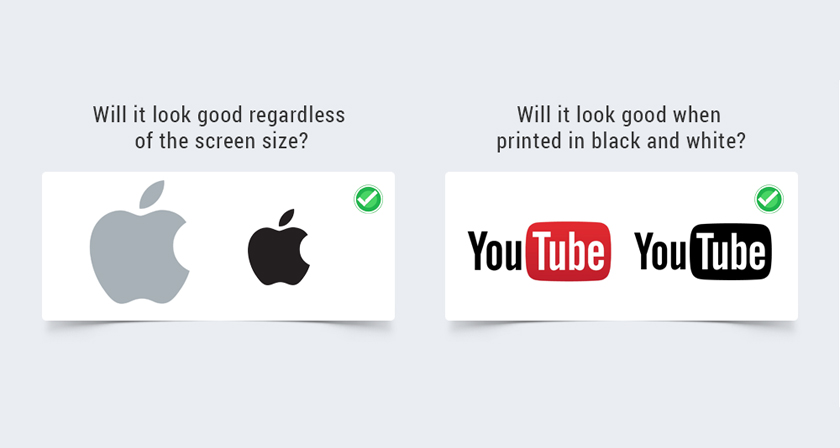
Credit: digitalsynopsis.com
Research And Inspiration
Crafting effective logo designs begins with thorough research and inspiration. Exploring diverse industries and creative trends sparks innovative ideas. Observing successful logos helps in understanding color, shape, and symbolism, guiding designers to create unique and impactful logos.
Creating a logo is an art that goes beyond mere design. It embodies the essence of your brand, telling a story with a single symbol. Research and inspiration are crucial steps in crafting a logo that resonates with your audience. These elements provide the foundation for a logo that stands out in a crowded market. Let’s dive into how you can harness the power of research and inspiration to create a compelling logo design. ###Analyzing Competitors
Understanding your competitors is key to creating a unique logo. Examine their designs closely. What colors do they use? What shapes and styles are prevalent? Identify what works and what doesn’t. Find gaps in their branding that you can fill. This helps you position your logo as distinctive and memorable. Consider a time you saw a logo that was strikingly similar to another. Did it stand out or blend in? Use this insight to ensure your logo captures attention without mimicking others. ###Exploring Industry Trends
Trends can guide your design choices. But remember, not all trends suit every brand. Evaluate which trends align with your brand values. Take note of emerging design elements in your industry. Are minimalist logos gaining traction? Or is there a move towards more intricate designs? Harness trends to keep your logo fresh and relevant. A trendy logo can communicate that your brand is current and forward-thinking. But be careful—trends can change quickly. Choose wisely to ensure longevity. ###Gathering Visual Inspiration
Inspiration can strike anywhere. Look beyond your industry for ideas. Nature, architecture, and art can all inspire unique design elements. Create a mood board. Collect images, colors, and fonts that resonate with your brand’s personality. This visual collection can spark ideas and guide your design process. Reflect on the last time you were creatively stuck. Did stepping outside your usual sources help? Embrace diverse inspiration to fuel creativity and innovation in your logo design. — Are you ready to create a logo that truly represents your brand? Consider how each of these elements can shape your design process. With the right research and inspiration, you can craft a logo that not only stands out but also tells your brand’s story.Typography Selection
Typography selection is a crucial element in creating effective logo designs. The right font can convey a brand’s personality, evoke emotions, and even influence purchasing decisions. Think about how your favorite brands use typography to communicate their identity. As you design your logo, your choice of typography can make or break its impact.
Choosing Font Styles
Font style is more than just letters; it’s the voice of your brand. Consider the message you want to send. Does your brand embody elegance or modernity? A serif font might suggest tradition and reliability, while a sans-serif font can convey a clean, contemporary vibe.
Reflect on the brands that resonate with you. How do their fonts enhance their image? Your logo should capture that essence. Research different font styles and experiment with them. Test how each style aligns with your brand’s identity.
Balancing Readability And Aesthetics
While aesthetics are important, readability should never be compromised. A logo must be clear and easily recognizable. If your font is too complex or ornate, it might confuse your audience.
Imagine a logo that’s beautiful but impossible to read. Would you trust the brand? Striking a balance between artistic flair and clarity is key. Try adjusting font size, spacing, and weight to find harmony.
Consider how your logo will appear in various formats. Will it be legible on business cards and billboards alike? Test your design in different contexts. How does it hold up in small sizes and larger displays?
Your logo is a silent ambassador for your brand. As you select typography, think about the impression it leaves. Are you happy with how it represents your brand? Your choice will speak volumes about your business. How will you make sure it says the right things?
Color Psychology
Designing effective logos involves understanding color psychology. Colors influence emotions and perceptions. Blue evokes trust, while red signifies energy. Choosing the right colors helps communicate your brand’s message effectively.
Understanding color psychology is crucial in creating effective logo designs. Colors do more than just attract attention; they convey emotions and communicate messages. The right color choice can make your logo memorable and meaningful. Let’s dive into how you can select the perfect color palette and understand the emotional impact of colors in your logo design. ###Selecting A Color Palette
Choosing the right color palette for your logo involves more than just picking your favorite hues. Consider the values and message your brand represents. For instance, if you want to convey trust and professionalism, blue might be a good choice. Think about your target audience. What colors resonate with them? A children’s brand might use vibrant and playful colors, while a luxury brand might opt for more muted, elegant tones. Experiment with different combinations to see what aligns best with your brand’s identity. ###Emotional Impact Of Colors
Colors have the power to evoke emotions and influence perception. Red can create a sense of urgency, making it perfect for call-to-action buttons or sales promotions. On the other hand, green often symbolizes growth and health, ideal for eco-friendly or wellness brands. Consider how you want your audience to feel when they see your logo. Do you want them to feel energized, calm, or inspired? I remember working on a logo for a non-profit organization focused on mental health. We chose soothing shades of blue and green to communicate peace and hope. Have you ever felt an immediate connection to a brand just by its colors? That’s the magic of color psychology. When selecting colors for your logo, keep this emotional connection in mind to ensure your design resonates with your audience.Simplicity And Versatility
Effective logo designs thrive on simplicity and versatility. A clean design ensures easy recognition and adaptability. Versatile logos fit seamlessly across various platforms and media, maintaining their impact and clarity.
Creating a logo that is both simple and versatile is crucial for a brand’s identity. Simplicity ensures that the logo is easily recognizable and memorable. Versatility allows the logo to adapt to various mediums and sizes without losing its impact. These two elements work hand in hand to create an effective logo design that can stand the test of time.Minimalist Design Principles
Minimalist design is all about focusing on the essentials. It means stripping away unnecessary elements and honing in on what really matters. A simple logo often has a stronger visual impact because it is easier to remember. Consider the logo of Apple. It’s just an apple with a bite taken out, yet it’s instantly recognizable worldwide. Think about what your brand stands for and how you can convey that in the simplest form. Ask yourself, “What is the one thing I want people to remember about my logo?” This question guides you toward creating a clean and effective design.Ensuring Scalability And Flexibility
A logo must be adaptable to different sizes and formats. Whether it’s on a business card or a billboard, your logo should maintain its clarity and impact. This is where scalability comes in. Ensure your design is vector-based. Vector graphics can be resized without losing quality, making them ideal for logos. Flexibility also means your logo should work in color and black-and-white. Imagine your logo on a black-and-white newspaper ad; does it still convey the same message? Testing your design in various contexts ensures it remains effective across all platforms. In my experience, a flexible logo saves time and money. You won’t need to redesign it for different applications, allowing you to focus on other aspects of your business. What elements in your current logo could hinder its versatility? Identifying these can help you refine your design for maximum impact and adaptability.Creating Unique Symbols
Designing a logo involves crafting symbols that resonate with an audience. Unique symbols capture brand essence effectively. Simple yet memorable designs make logos stand out.
Creating unique symbols is at the heart of effective logo design. Symbols can convey messages and evoke emotions without uttering a single word. They serve as the visual ambassadors of your brand, making an unforgettable impression on your audience. A well-crafted symbol can elevate a brand, offering recognition and differentiation in a crowded market.Developing Iconic Imagery
To create iconic imagery, start with a clear concept. Think about what your brand stands for and what message you want to convey. Simplicity is key. Complex designs may look impressive but can lose clarity and impact. Consider how your symbol will look at various sizes and formats. Gather inspiration from real-world experiences. Notice logos that resonate with you and analyze why they are effective. This can guide your creative process.Avoiding Common Pitfalls
Beware of overused symbols. Repeating common themes can lead to your logo blending into the crowd. Aim for originality. Stay away from trends. They might be popular now, but they can quickly become outdated. Longevity should be your goal. Consider your audience’s perception. What seems like a clever design might confuse or alienate them. Test your logo with a diverse group to ensure clarity. In creating unique symbols, remember that your logo is more than just a design—it’s your brand’s identity. Does your symbol communicate your brand’s essence effectively?Feedback And Iteration
Creating effective logo designs involves feedback and iteration. Designers refine ideas based on constructive critiques. This process ensures the final logo is both impactful and memorable.
Creating a logo is just the beginning of the design journey. Feedback and iteration are crucial steps in refining a logo to meet its full potential. Getting a second opinion can open your eyes to aspects you might have missed. A well-rounded logo often emerges from multiple rounds of feedback and fine-tuning. The more you iterate, the closer you get to a design that truly resonates with your audience.Gathering Constructive Criticism
To gather meaningful feedback, diversify your sources. Ask colleagues, industry experts, and even potential customers for their thoughts. A fresh perspective can highlight strengths and weaknesses you didn’t notice. When you ask for feedback, be specific about what you’re looking for. Are you interested in color schemes, the font choice, or overall impact? Direct questions guide your reviewers and provide you with actionable insights. Always remain open-minded. It’s easy to become attached to your work, but remember that the goal is to create a logo that speaks to its intended audience. Consider all feedback, even if it’s critical or unexpected.Refining The Design
Refinement is where the magic happens. Use the feedback to tweak elements of the design. Change colors, adjust spacing, or experiment with different layouts based on the insights you’ve gathered. Don’t be afraid to revisit the drawing board. Sometimes the feedback might suggest more significant changes. It can be daunting, but starting fresh can lead to a stronger design. Keep track of your iterations. Document each version of your logo and the feedback it received. This helps you understand what works and what doesn’t, and it can guide future projects. As you refine, ask yourself: Does this logo convey the right message? Is it memorable? These questions ensure your design aligns with your brand’s values and goals.
Credit: www.designhill.com
Finalizing The Logo
Finalizing a logo design is a crucial stage. This step ensures the logo is ready for public use. The design must be versatile and adaptable. It should look good on different platforms and materials. This stage involves testing and preparing the logo for various formats.
Testing Across Mediums
Test the logo on different mediums. Check its appearance on digital screens. Ensure it looks sharp on websites and social media. Print the logo on paper and fabric. See if the colors stay true and vibrant. Assess its clarity on business cards and letterheads. A logo must be clear and recognizable everywhere.
Preparing For Different Formats
Prepare the logo in multiple formats. Common formats include JPEG, PNG, and SVG. Each format serves a different purpose. JPEGs are great for photos and digital use. PNGs are ideal for transparent backgrounds. SVGs are perfect for scalability without losing quality. Make sure the logo is ready in all necessary formats.
Legal Considerations
Creating effective logo designs requires understanding legal considerations like trademark rights and copyright issues. It’s crucial to ensure logos don’t infringe on existing designs. This avoids potential legal disputes and protects brand identity.
Creating an effective logo design involves more than creativity. Legal considerations play a vital role in the design process. Understanding these aspects helps protect your brand and avoids legal hassles. A well-thought-out legal strategy ensures your logo stands firm in the market.Trademark Registration
Trademark registration protects your logo from unauthorized use. Registering a trademark provides exclusive rights to your design. It prevents others from using similar logos that might confuse customers. The process involves checking existing trademarks to ensure uniqueness. This step safeguards your brand identity legally.Avoiding Infringement Issues
Avoiding infringement issues is crucial for peace of mind. Ensure your logo design is original and not similar to existing ones. Conduct thorough research before finalizing a design. Use trademark databases to check for similarities. This prevents costly legal battles and protects your brand reputation.
Credit: draw-down.com
Frequently Asked Questions
How To Design An Effective Logo?
Create a memorable, simple logo that reflects your brand identity. Use versatile and timeless design elements. Choose colors and fonts wisely to convey the right message. Ensure scalability for different sizes and formats. Test the logo for visual appeal and clarity across various media platforms.
What Are The Three Golden Rules Of Logo Design?
The three golden rules of logo design are simplicity, versatility, and relevance. A logo should be easily recognizable, adaptable across mediums, and meaningful to the brand’s identity. Keep it simple, ensure it works in various sizes, and make it relevant to your business’s values and mission.
Is $500 Too Much For A Logo Design?
A $500 logo design can be reasonable. Pricing depends on the designer’s expertise, complexity, and brand requirements. Quality designs often justify the cost. Always assess the value and potential impact on your brand before deciding.
Do And Don’ts Of Logos?
Create simple, memorable, and versatile logos. Use appropriate colors and fonts. Ensure scalability across mediums. Avoid complexity and clichéd symbols. Don’t copy others or overcrowd with details.
Conclusion
Crafting an effective logo design takes time and thought. Simplicity is key. A logo should be memorable and versatile. Colors, shapes, and fonts matter. Each element conveys a message. It reflects your brand identity. Consistency helps build recognition. Always aim for a timeless look.
Keep your audience in mind. Their perception can shape your design. Test your logo on different platforms. Ensure it looks good everywhere. Seek feedback, refine your design, and make adjustments. A strong logo is an asset. It represents your brand with pride.
Happy designing!