Have you ever wondered why some images look perfect while others seem stretched or squished? The answer lies in understanding aspect ratio and proportion.
These two elements play a crucial role in how you perceive visuals, whether it’s the photos you see online, the videos you watch, or even the design of your favorite app. Mastering aspect ratio and proportion can transform how you create and consume visual content, making everything appear balanced and pleasing to the eye.
Imagine being able to effortlessly choose the right dimensions for your social media posts or understanding why certain movie scenes captivate you more than others. By grasping these concepts, you unlock the power to enhance your visual storytelling. This article will guide you through the basics, ensuring you never feel lost in a sea of distorted images again. Dive in to discover how aspect ratio and proportion can elevate your visual experience.
Aspect Ratio Basics
Aspect ratio basics are crucial for anyone interested in photography, film, or design. Whether you’re snapping a photo or creating digital content, understanding aspect ratios can drastically influence the final product. You might not realize it, but the aspect ratio is what dictates the shape and feel of your visuals. It can turn an ordinary image into something extraordinary. But what exactly is aspect ratio, and why does it matter?
Definition And Importance
Aspect ratio is the relationship between the width and height of an image or screen. It’s typically expressed as two numbers separated by a colon, like 16:9 or 4:3. This ratio is more than just numbers; it’s a guide that shapes how you view content. Your favorite movie might look cinematic because of its wide aspect ratio, while your Instagram photo seems intimate due to its square format.
Understanding aspect ratio is vital for creating visually appealing content. It helps maintain the integrity of your images during resizing. Have you ever noticed an image stretching awkwardly? That’s often a result of disregarding aspect ratio. Knowing the basics ensures your visuals remain true to their original form and impact.
Common Ratios In Media
Different media use varying aspect ratios. In television and film, 16:9 is a standard for HD content. It offers a widescreen view that suits most modern displays. You see this ratio in televisions, computer screens, and streaming platforms. Feeling like you’re in a theater at home? That’s the 16:9 magic working.
Photography often uses the 3:2 ratio, which mimics the proportions of a 35mm film camera. This ratio is ideal for print and offers a balanced composition. Think about your family albums or professional portraits. This ratio helps frame subjects beautifully.
Are you creating content for social media? Platforms like Instagram prefer a 1:1 aspect ratio for posts. This square format is perfect for mobile viewing and gives your feed a clean look. If you ever wonder why your photos on Instagram fit perfectly, it’s because of this ratio.
Aspect ratios influence how your audience interacts with your content. Have you considered how changing your aspect ratio might change the narrative of your visuals? It’s a simple tweak that can lead to profound impacts.

Credit: en.wikipedia.org
Proportion In Design
Proportion plays a crucial role in design. It determines how elements fit together. The balance between size and space creates visual appeal. Designers often use proportion to craft layouts that are pleasing. Understanding proportion helps in making designs effective and harmonious.
Role In Visual Harmony
Visual harmony arises from well-balanced proportions. When elements are proportionate, they feel naturally balanced. This balance creates an aesthetic that is easy on the eyes. It ensures that no part of the design overwhelms another. Harmony in design helps in conveying the intended message clearly.
Examples In Art And Architecture
Art and architecture often showcase proportion beautifully. The Parthenon in Greece is a great example. Its columns and roof follow precise proportions. Artists like Leonardo da Vinci used proportion in paintings. The Vitruvian Man is a study in ideal human proportions. These examples highlight the importance of proportion in creative works.
Aspect Ratio Vs. Proportion
Aspect ratio defines the width and height relationship of an image or screen. Proportion relates to the comparative size of elements within a design. Both concepts help achieve balanced visuals. Understanding them aids in creating visually appealing and functional media.
Understanding the concepts of aspect ratio and proportion is vital for visual content creation. These terms often confuse creators due to their technical nature. Yet, knowing their differences can elevate design quality. Aspect ratio determines the shape of your image or video. Proportion refers to how elements relate to each other in size. Both play a crucial role in achieving visual harmony.Key Differences
Aspect ratio is the width-to-height relationship of an image. A common example is 16:9, often seen in widescreen videos. This ratio impacts how content fits on screens. Proportion, in contrast, focuses on the relative size of elements within a piece. It guides the balance between different parts of a design. Understanding these differences helps in choosing the right format for your project.Impact On Visual Content
Choosing the right aspect ratio affects how viewers experience your content. A well-chosen ratio can enhance storytelling and engagement. For instance, a 4:3 ratio offers a classic feel, suitable for vintage themes. Proportion, meanwhile, influences composition and aesthetics. Proper proportions ensure elements appear balanced and pleasing. This balance draws attention and enhances viewer interaction. Together, aspect ratio and proportion shape the visual narrative and impact.Applications In Photography
Grasping aspect ratio and proportion in photography enhances image composition. It guides the framing and balance of photos. This understanding helps create visually pleasing pictures that draw viewers’ attention.
In photography, understanding aspect ratio and proportion is crucial. These concepts shape how images are viewed and appreciated. They influence the mood and message conveyed by a photo. Photographers often use aspect ratio to enhance their creative expression. A well-chosen ratio can add depth and focus to an image. Understanding these elements can elevate your photography skills.Choosing The Right Ratio
Choosing the right aspect ratio affects the final look of a photograph. Common ratios include 4:3, 16:9, and 1:1. Each ratio has its unique impact on an image. The 4:3 ratio is often used for portraits, providing a balanced frame. The 16:9 ratio is perfect for landscapes, offering a wide view. The 1:1 ratio is ideal for social media, creating a symmetrical and neat appearance. Selecting the right ratio depends on the subject and intended use. It can highlight specific elements and guide the viewer’s eye.Influence On Composition
Aspect ratio significantly influences the composition of an image. It determines how elements are arranged within the frame. A wider ratio can capture more background, enhancing context. A square ratio forces the focus on the subject, minimizing distractions. Photographers use ratios to create harmony and balance. The ratio chosen can evoke different emotions and reactions. Understanding proportion helps in maintaining visual interest and cohesion. It ensures that every part of the image contributes to the whole. This balance is key in creating compelling photographs.Aspect Ratio In Film And Video
Understanding aspect ratio in film and video is essential for creators. The aspect ratio determines the width and height of the frame. It affects how a story is visually presented to the audience. Different ratios can evoke various emotions and focus on specific elements. Directors often choose aspect ratios carefully to enhance storytelling. Let’s explore how aspect ratios play a role in film and video.
Cinematic Standards
Cinematic standards have evolved over time. The 4:3 ratio was popular in early cinema. This ratio was used in many classic films. Later, the 16:9 ratio became standard for widescreen televisions. It offered a more immersive viewing experience. The 21:9 ratio, known as anamorphic, is often used in epic films. It creates a grand cinematic feel. Each ratio tells its own story.
Trends And Innovations
Trends in aspect ratios continue to change. Filmmakers experiment with new ratios to surprise audiences. Some use unconventional ratios to highlight key scenes. Digital platforms allow more flexibility in aspect ratio choice. Social media also influences these trends. Vertical videos gain popularity due to mobile devices. The future of aspect ratios is exciting and diverse.

Credit: 3walls.org
Proportion In Graphic Design
Grasping aspect ratio and proportion is key in graphic design. It influences visual balance and harmony. Designers use these elements to ensure that images and layouts are appealing and effective. Proper proportions enhance aesthetics, guiding the viewer’s eye naturally. Understanding these principles is essential for impactful design.
Understanding the concept of proportion in graphic design can elevate your creative projects from ordinary to exceptional. Proportion isn’t just about making sure things fit together; it’s about creating harmony and balance in your designs. When elements in your design are proportionate, they naturally guide the viewer’s eye and enhance the overall aesthetic. Have you ever wondered why some designs just seem to “work” while others fall flat? The answer often lies in mastering proportion. ###Using Grids And Layouts
Grids are your best friend in achieving proportion. They provide a framework that helps you organize elements systematically. By using grids, you can ensure that text, images, and other components align perfectly. This not only improves the visual appeal but also makes your design more readable and engaging. Consider the classic two-thirds grid. It’s a popular choice in graphic design because it helps in creating a balanced and harmonious look. Try experimenting with different grid structures to see which one best suits your project needs. ###Balancing Elements
Balancing elements is crucial for maintaining proportion. Imagine a design where a large image is placed next to a small block of text. The imbalance can cause visual tension and distract the viewer. Balance can be achieved by adjusting sizes or repositioning elements to create a more cohesive design. Think about it as a seesaw; if one side is too heavy, the other needs to compensate. Use size, color, and spacing to balance your elements. Have you ever noticed how some designs make you feel calm while others seem chaotic? Proper balance can be the key to creating that serene feeling. Start by identifying the focal point of your design. Then, arrange other elements in a way that supports this focus without overshadowing it. Experiment with different placements and see how they affect the overall feel of your design. Proportion in graphic design is more than just a technical skill; it’s an art form. It allows you to craft designs that are not only visually appealing but also communicate your message effectively. What steps will you take to improve the proportion in your next project?Tools And Techniques
Tools and techniques are essential for mastering aspect ratio and proportion. They help designers and creators make visuals that look good and fit well. With the right tools, one can easily adjust dimensions and create harmonious designs. Techniques provide the know-how to use these tools effectively.
Software For Designers
Design software like Adobe Photoshop and Illustrator are popular choices. They offer features to adjust aspect ratios with precision. Designers use them to create balanced layouts and graphics. Canva is another tool that provides easy-to-use templates. It allows users to maintain proportions without much effort.
Sketch is favored for UI design. It provides tools for pixel-perfect aspect ratio control. Figma, a web-based tool, is also used for collaborative design work. It helps teams manage proportion in real-time projects.
Practical Tips For Creators
Creators should start by understanding their project’s needs. Define the purpose and audience first. Use grid systems to maintain consistency in design. Grids help divide spaces proportionally.
Keep experimenting with different aspect ratios. This can lead to discovering new styles and designs. Always test designs on multiple devices. Ensure the design maintains its appeal across screens. Utilize online calculators for quick aspect ratio conversions.
Stay updated with design trends. This can provide inspiration and new ideas. Practice regularly to improve your skills in using these tools. Consistent practice leads to better understanding and creativity.
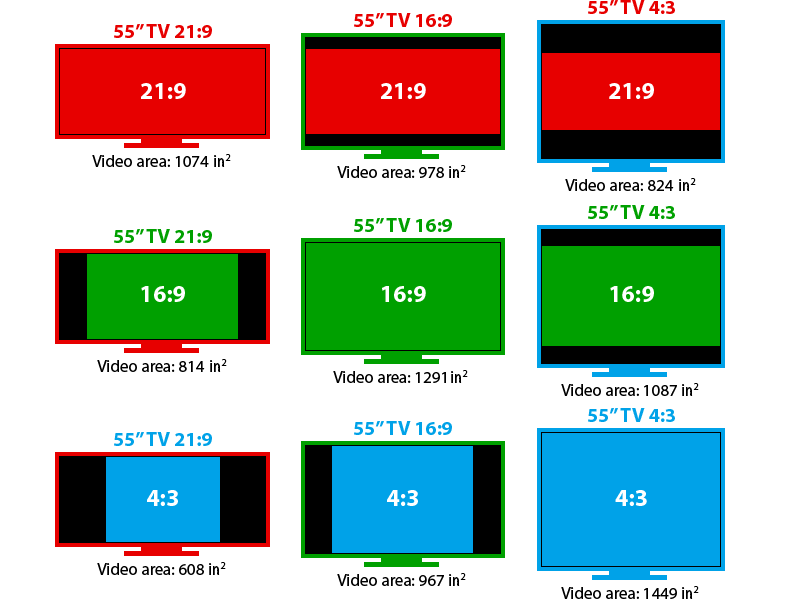
Credit: www.rtings.com
Frequently Asked Questions
How To Understand Aspect Ratio?
Aspect ratio is the proportional relationship between width and height of an image or screen. Common ratios include 16:9 and 4:3. To understand it, divide width by height. It affects how visuals appear on different devices, ensuring content fits screens properly.
Adjust aspect ratio for optimal viewing experience.
Is 1920×1080 The Same As 16:9?
Yes, 1920×1080 resolution aligns with the 16:9 aspect ratio. This is commonly used for HDTVs and monitors. The aspect ratio defines the width and height proportion, making 16:9 widescreen. This format is popular for video content and gaming, ensuring a balanced viewing experience.
What Does 2×3 Ratio Mean?
A 2×3 ratio means two parts of one element to three parts of another. It’s often used for dimensions or proportions, indicating the relative sizes or quantities between two components. This ratio is commonly applied in design, photography, and architecture for balanced compositions.
Why Did 4:3 Change To 16:9?
The 16:9 ratio offers a wider, more immersive viewing experience compared to 4:3. It matches modern screens better, enhancing visuals for movies and games, and supports HD content, leading to its adoption as the industry standard.
Conclusion
Understanding aspect ratio and proportion is vital in design. It ensures balance. Your images and layouts will look right. This knowledge helps in photography and graphic design. Proper ratios make everything appear natural. Designers can create visually pleasing content. It’s important in both digital and print media.
Keep practicing to get better. Your work will improve with time. A strong grasp leads to better results. Everyone appreciates well-proportioned designs. Stay focused and keep learning. Your skills will grow.